Table of Contents
ToggleEsports coverage trends 2026 will reshape how audiences watch and engage with competitive gaming. The industry continues its rapid growth, with global viewership expected to surpass 640 million by next year. Broadcasters, streaming platforms, and media companies are adapting their strategies to meet rising demand. This article examines the key esports coverage trends 2026 will bring, from AI-powered broadcasting to mobile-first content and immersive viewing experiences. These shifts will define how fans consume esports media in the coming year.
Key Takeaways
- Esports coverage trends 2026 will be defined by AI-powered broadcasting that delivers real-time stats, automated camera systems, and instant multilingual commentary.
- Mobile esports has reached production parity with PC and console events, attracting major sponsors and dedicated streaming channels.
- Virtual and augmented reality are creating immersive viewing experiences, from virtual venue watch parties to interactive AR overlays during live matches.
- Mainstream media outlets like ESPN and BBC now treat esports with the same editorial rigor as traditional sports coverage.
- Cross-platform distribution allows fans to watch tournaments on Twitch, YouTube, linear TV, and proprietary platforms simultaneously.
- Social media, podcasts, and short-form video have become essential distribution channels for reaching diverse esports audiences.
The Rise of AI-Powered Broadcasting and Analysis
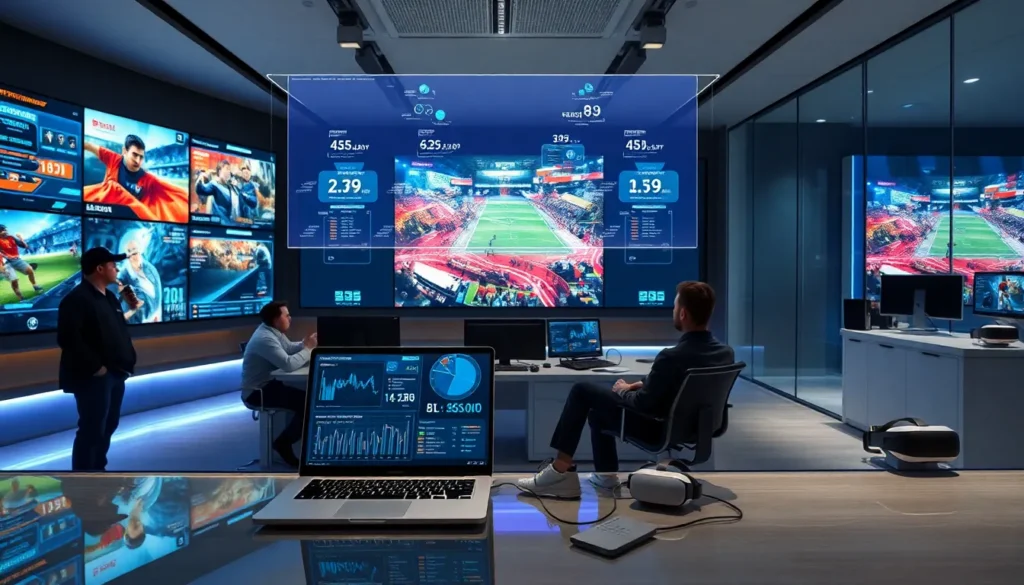
Artificial intelligence is transforming esports coverage in 2026. Broadcasters now use AI tools to generate real-time statistics, player performance metrics, and predictive analytics during live matches. These systems process thousands of data points per second, giving viewers deeper insights than traditional commentary alone.
AI-driven camera systems represent another major shift in esports coverage trends 2026. Automated directors can track action across multiple players and switch angles based on in-game events. This technology reduces production costs while maintaining broadcast quality. Several major tournaments have already adopted these systems for secondary streams and regional broadcasts.
Real-time translation and localization also benefit from AI integration. Esports coverage trends 2026 include multilingual broadcasts that adapt commentary for different regions instantly. This capability expands audience reach without requiring separate production teams for each language.
Analysis desks now feature AI assistants that pull relevant historical data mid-discussion. Casters can reference a player’s performance in similar situations from previous tournaments within seconds. This speeds up production and adds statistical depth to broadcasts.
But, human talent remains essential. The best esports coverage trends 2026 combine AI efficiency with personality-driven commentary. Audiences still want entertaining hosts and analysts who bring emotion to big moments. AI handles the data, humans deliver the drama.
Mobile Esports Takes Center Stage
Mobile gaming now commands serious attention in esports coverage trends 2026. Titles like Mobile Legends: Bang Bang, PUBG Mobile, and Honor of Kings draw massive global audiences. Asia-Pacific markets lead this growth, but Western broadcasters are catching up.
Production quality for mobile esports has improved dramatically. Networks treat mobile tournaments with the same polish as PC or console events. Stage designs, broadcast graphics, and commentary teams match traditional esports standards. This shift reflects the commercial reality, mobile esports prize pools now rival established PC titles.
Esports coverage trends 2026 show increased investment in mobile-specific content formats. Short-form highlights perform well on social platforms where mobile gamers spend time. TikTok, YouTube Shorts, and Instagram Reels have become primary distribution channels for tournament clips.
Sponsorship opportunities in mobile esports attract major brands. Advertisers recognize that mobile audiences skew younger and more diverse than traditional esports demographics. This commercial interest drives more comprehensive coverage from mainstream outlets.
The esports coverage trends 2026 also include dedicated mobile esports channels and programming blocks. Several streaming platforms have launched mobile-focused verticals to capture this audience segment. These channels feature game-specific shows, player interviews, and tutorial content alongside live tournament broadcasts.
Immersive Viewing Experiences and Virtual Venues
Virtual reality and augmented reality are reshaping esports coverage trends 2026. Fans can now watch matches from virtual venues that simulate arena attendance. These platforms let users sit in virtual stands, interact with other viewers, and experience events from multiple camera angles.
Mixed reality broadcasts overlay game information onto real-world studio environments. Analysts can manipulate 3D map recreations while breaking down team strategies. This visual approach makes complex tactical discussions easier to follow for casual viewers.
Esports coverage trends 2026 include expanded use of virtual watch parties. Platforms like VRChat and emerging metaverse spaces host official viewing events. Fans gather their avatars to watch matches together, creating community experiences that bridge geographical distances.
Augmented reality graphics have become standard in premium broadcasts. Player statistics appear as floating elements during live gameplay. Team compositions and economic data display seamlessly within the action. These overlays enhance understanding without interrupting the viewing experience.
Virtual venues also offer new monetization options. Fans can purchase virtual merchandise, exclusive viewing areas, and interactive experiences. These revenue streams help esports coverage trends 2026 become more financially sustainable for organizers and broadcasters alike.
Mainstream Media Integration and Cross-Platform Coverage
Traditional media outlets have embraced esports coverage trends 2026 with greater commitment. Major sports networks now dedicate regular programming slots to competitive gaming. ESPN, Sky Sports, and regional broadcasters feature weekly esports shows alongside conventional sports content.
Cross-platform distribution defines modern esports coverage trends 2026. A single tournament might stream on Twitch, YouTube, linear television, and proprietary platforms simultaneously. This approach maximizes reach while letting fans choose their preferred viewing environment.
Print and digital journalism have expanded esports sections significantly. Publications like The Washington Post, BBC, and The Athletic employ dedicated esports reporters. These journalists cover player transfers, organizational news, and industry developments with the same rigor as traditional sports beats.
Esports coverage trends 2026 also show stronger integration with sports betting coverage. As more regions legalize esports wagering, media companies provide odds, analysis, and betting-focused content. This parallels how traditional sports media handles gambling content.
Podcasts and audio content have grown within esports coverage trends 2026. Fans consume game-specific podcasts, interview shows, and news roundups during commutes and downtime. This format reaches audiences who can’t watch live video content.
Social media platforms continue driving esports coverage trends 2026. Teams, players, and broadcasters create platform-native content for each channel. Twitter/X hosts live discussions, Instagram showcases behind-the-scenes moments, and Discord servers build direct community connections.