Table of Contents
ToggleEsports coverage ideas can transform passive viewers into loyal fans. The competitive gaming industry continues to grow, with global audiences exceeding 500 million in 2024. Content creators, journalists, and media outlets need fresh approaches to stand out. This article presents practical esports coverage ideas that drive engagement, build community, and keep audiences coming back for more.
Key Takeaways
- Effective esports coverage ideas—like live commentary, player profiles, and tournament previews—transform casual viewers into loyal fans.
- Behind-the-scenes content humanizes players and builds emotional connections that keep audiences engaged across entire seasons.
- Post-match analysis segments and prediction content extend engagement beyond live broadcasts and establish authority in competitive gaming.
- Community-focused stories, including fan spotlights and local scene coverage, differentiate your outlet and build lasting audience loyalty.
- Covering grassroots esports and charitable initiatives attracts broader demographics and showcases the industry’s positive impact.
Live Match Commentary and Analysis
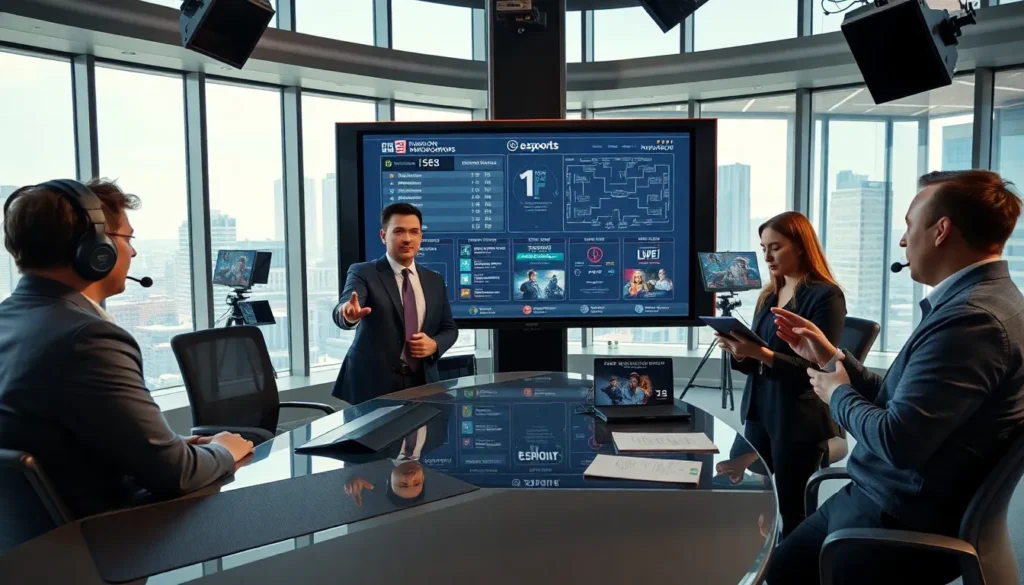
Live match commentary remains one of the most effective esports coverage ideas for audience retention. Viewers want more than play-by-play narration. They crave insights that help them understand why players make specific decisions.
Real-Time Breakdowns
Strong commentary breaks down complex plays as they happen. A skilled analyst explains positioning choices, ability timings, and team coordination. This approach educates casual viewers while satisfying hardcore fans.
Consider adding visual overlays that highlight key statistics during matches. Win rates, historical head-to-head records, and player performance metrics give context to the action. These elements create a richer viewing experience without slowing down the broadcast.
Post-Match Analysis Segments
The game ends, but the content doesn’t have to. Post-match analysis segments extend engagement by examining pivotal moments. Replay breakdowns with expert commentary help viewers understand what separated the winner from the loser.
These segments work well as standalone content too. A five-minute analysis video can reach audiences who missed the live broadcast. It also serves as shareable content across social platforms.
Interactive elements boost this esports coverage idea further. Polls asking viewers to predict MVP selections or rate team performances create two-way engagement. Live chat integration lets audiences ask questions that analysts can address on air.
Behind-the-Scenes Player Profiles
Player profiles represent some of the most compelling esports coverage ideas available. Fans connect with personalities, not just gamertags. Humanizing competitors creates emotional investment that keeps audiences engaged across entire seasons.
Training and Daily Life Features
Showcasing how professional players train reveals the dedication behind their success. Practice routines, coaching sessions, and team house dynamics make for fascinating content. Viewers appreciate seeing the work that produces highlight-reel plays.
Documentary-style features perform exceptionally well. A day-in-the-life video following a player from morning warmups to late-night ranked games tells a complete story. These pieces build parasocial relationships that translate into loyal viewership.
Origin Stories and Career Journeys
Every professional player has a path worth exploring. Some rose from poverty. Others overcame skeptical parents. Many sacrificed traditional education for competitive dreams. These narratives resonate because they’re genuinely inspiring.
Interview formats work well for these esports coverage ideas. Long-form conversations allow players to share experiences in their own words. Podcast-style content reaches audiences during commutes, workouts, and other activities.
Retirement and comeback stories offer additional angles. Veterans who’ve seen the industry evolve bring unique perspectives. Documenting their transitions, whether to coaching, content creation, or life outside gaming, provides closure for fans who followed their careers.
Tournament Previews and Predictions
Tournament coverage extends far beyond match days. Preview content builds anticipation and gives audiences reasons to care about upcoming competitions. These esports coverage ideas establish authority while driving pre-event traffic.
Team Power Rankings
Power rankings spark conversation and debate. Ordering teams from strongest to weakest forces analysts to justify their reasoning. Fans love arguing about whether their favorite squad deserves a higher spot.
Update these rankings weekly during competitive seasons. Track how predictions hold up against actual results. This creates an ongoing narrative that rewards consistent viewers.
Matchup Breakdowns
Specific matchup analysis dives deeper than general rankings. Examining how Team A’s aggressive style might exploit Team B’s defensive weaknesses provides actionable insight. Fantasy esports players and bettors find this information particularly valuable.
Historical data strengthens these pieces. Head-to-head records, map preferences, and roster change impacts all inform better predictions. Present this information through infographics and comparison tables for easy consumption.
Meta Analysis Content
Game patches shift competitive balance regularly. Content explaining how meta changes affect upcoming tournaments positions creators as knowledgeable sources. This esports coverage idea requires staying current with game updates and professional play trends.
Bracket predictions before major events generate significant engagement. Encourage audience participation by running prediction contests with prizes. Track accuracy rates to build credibility over time.
Community and Fan Engagement Stories
The best esports coverage ideas recognize that fans are part of the story. Community-focused content builds loyalty and differentiates outlets from competitors covering the same matches.
Fan Spotlight Features
Highlighting dedicated fans creates content that audiences share enthusiastically. Cosplayers, superfans who travel to every event, and collectors of team merchandise all have stories worth telling. These features make regular viewers feel seen and valued.
User-generated content campaigns expand this approach. Encourage fans to submit their best plays, artwork, or support videos. Featuring community creations builds goodwill and provides fresh material.
Local Scene Coverage
Grassroots esports often goes underreported. Covering local tournaments, college leagues, and amateur competitions fills a content gap. Rising talent discovered through this coverage might become tomorrow’s stars.
This esports coverage idea also builds relationships with aspiring professionals. Players remember outlets that covered them early. These connections pay dividends as careers develop.
Charity and Social Impact Stories
Esports organizations increasingly support charitable causes. Documenting these efforts shows the industry’s positive impact. Fundraising streams, community outreach programs, and player philanthropy all make for uplifting content.
These stories attract audiences beyond typical esports demographics. Parents skeptical of gaming culture often respond positively to content showing competitive gaming’s constructive side.