
Table of Contents
ToggleEsports coverage has transformed how millions of fans consume competitive gaming content. From live match broadcasts to in-depth player interviews, the media landscape around professional gaming continues to expand rapidly. In 2024, the global esports audience reached over 540 million viewers, and the demand for quality journalism and content has never been higher.
This guide breaks down everything readers need to know about esports coverage. It explores the different types of media, the best sources for reliable news, and how the industry has evolved over the past decade. Whether someone follows League of Legends, Counter-Strike, or Valorant, understanding the esports media ecosystem helps fans stay informed and connected to the games they love.
Key Takeaways
- Esports coverage includes news, match analysis, interviews, live broadcasts, and podcasts—each serving different audience needs.
- Dedicated outlets like Dot Esports and Dexerto offer specialized esports coverage, while mainstream media like ESPN now covers major tournaments.
- Quality esports journalism prioritizes accuracy and verification, setting it apart from casual gaming entertainment content.
- The global esports audience surpassed 540 million viewers in 2024, driving unprecedented demand for professional coverage.
- Stay updated by following esports journalists on social media, joining Discord communities, and subscribing to curated newsletters.
- Esports coverage has evolved from volunteer-run fan sites to television-quality broadcasts backed by professional journalism standards.
What Is Esports Coverage?
Esports coverage refers to all media and journalism focused on competitive video gaming. This includes news articles, match recaps, player profiles, team announcements, and tournament previews. Like traditional sports journalism, esports coverage aims to inform, analyze, and entertain audiences who follow professional gaming.
The scope of esports coverage extends beyond simple match results. Journalists and content creators report on roster changes, sponsorship deals, industry trends, and behind-the-scenes stories. They conduct interviews with players, coaches, and team owners. They also provide analysis that helps viewers understand game strategies and meta shifts.
Quality esports coverage serves several purposes. It keeps fans updated on their favorite teams and players. It provides context that enriches the viewing experience. And it documents the history of an industry that’s still relatively young but growing at an impressive pace.
Esports coverage also differs from casual gaming content. While streamers and YouTubers often focus on entertainment, esports journalists prioritize accuracy, verification, and professional standards. This distinction matters as the industry matures and audiences expect higher quality reporting.
Types of Esports Media and Content
The esports coverage landscape includes several distinct content types. Each serves different audience needs and consumption habits.
News and Breaking Stories
News coverage tracks roster moves, tournament results, and industry announcements. Outlets compete to break stories first while maintaining accuracy. This category includes transfer rumors, team disbandments, and major organizational changes.
Match Analysis and Recaps
Post-match content breaks down key moments, player performances, and tactical decisions. Analysts explain why teams won or lost. This type of esports coverage helps casual viewers understand high-level play.
Feature Stories and Interviews
Long-form content explores player backgrounds, team dynamics, and industry issues. These pieces provide depth that news articles can’t offer. Interviews give players and personalities a platform to share their perspectives.
Live Broadcasts and Commentary
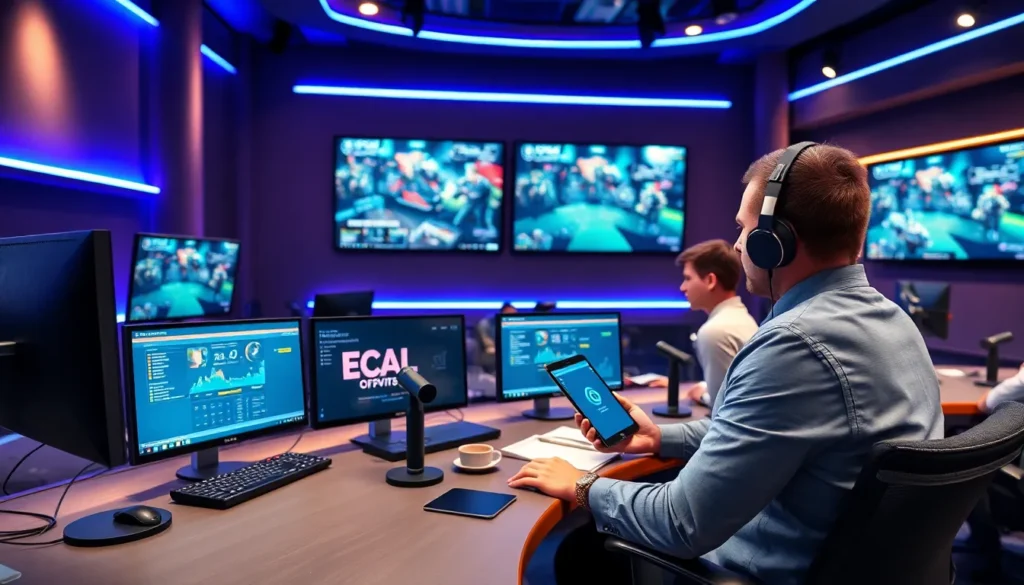
Tournament streams represent perhaps the most visible form of esports coverage. Casters and analysts provide real-time commentary during matches. Production teams create graphics, replays, and transitions that enhance the viewing experience.
Video Content and Documentaries
Produced video content ranges from quick highlight clips to full-length documentaries. These projects often tell stories that text alone can’t capture. Major esports organizations and publishers invest heavily in video production.
Podcasts and Discussion Shows
Audio content allows for deeper discussion of topics. Hosts and guests debate current events, predict tournament outcomes, and share opinions. Podcasts offer a more casual format that many fans enjoy during commutes or workouts.
Where to Find Quality Esports Coverage
Finding reliable esports coverage requires knowing where to look. The landscape includes dedicated outlets, mainstream sports media, and social platforms.
Dedicated esports websites like Dot Esports, Dexerto, and The Esports Observer focus exclusively on competitive gaming. These outlets employ journalists who specialize in specific games or regions. They often break news first and provide detailed analysis.
Mainstream sports outlets have expanded their esports coverage significantly. ESPN, BBC Sport, and The Washington Post now cover major tournaments and industry stories. This crossover brings esports news to wider audiences.
Game-specific communities also provide valuable esports coverage. Subreddits, Discord servers, and fan sites track news for individual titles. These sources sometimes surface information before larger outlets pick it up.
Social media plays a central role in esports news distribution. Twitter/X remains the primary platform where journalists, players, and teams share breaking news. Following key accounts provides real-time updates that websites can’t match.
Official channels from game publishers and tournament organizers offer authoritative information. Riot Games, Valve, and Activision Blizzard maintain news sections and social accounts for their esports leagues. These sources provide confirmed announcements without speculation.
The Evolution of Competitive Gaming Journalism
Esports coverage has changed dramatically since the early days of competitive gaming. The industry has professionalized alongside the esports scene itself.
In the early 2000s, esports coverage existed mainly on forums and fan sites. Volunteer writers covered tournaments with little pay or formal structure. Production quality was often low, and journalism standards varied widely.
The 2010s brought significant changes. Dedicated esports outlets launched with venture capital funding. Major publishers began hiring experienced journalists from traditional sports and tech media. The quality of esports coverage improved as more resources flowed into the sector.
Broadcast production advanced considerably during this period. Tournament streams evolved from webcam feeds to television-quality productions. Networks like Turner Broadcasting experimented with esports programming. The gap between esports and traditional sports broadcasts narrowed.
Today, esports coverage faces both opportunities and challenges. The audience continues to grow, but advertising revenue hasn’t kept pace. Several prominent outlets have closed or reduced staff. Sustainable business models remain difficult to establish.
Even though these challenges, esports journalism has achieved legitimacy. Major tournaments receive coverage from respected news organizations. Players become household names with mainstream recognition. The foundation for quality esports coverage now exists, even if financial pressures persist.
How to Stay Updated on Esports News
Staying current with esports coverage requires a multi-platform approach. No single source captures everything, so fans benefit from diversifying their information diet.
Start by following dedicated esports journalists on social media. These reporters often share news before their articles publish. They also provide context and commentary that adds value beyond headlines.
Set up Google Alerts or RSS feeds for specific games, teams, or players. These tools surface relevant esports coverage without requiring constant manual searches. Customize alerts to focus on the topics that matter most.
Join community Discord servers for favorite games or teams. These spaces often share news quickly, and members discuss implications in real time. Active communities sometimes generate original reporting that larger outlets later cite.
Subscribe to email newsletters that curate esports coverage. Weekly or daily digests save time by highlighting the most important stories. Several journalists and outlets offer free newsletters with curated content.
Watch tournament broadcasts to stay connected to competitive scenes. Casters and analysts often reference recent news and provide updates during downtime. Live viewing combines entertainment with information.
Finally, follow official team and league accounts. Organizations announce roster changes, match schedules, and other news through their channels. These sources provide accurate information directly from the source.