
Table of Contents
ToggleDIY projects strategies can transform a weekend idea into a finished home improvement. The difference between a successful project and an abandoned mess often comes down to planning. Homeowners who approach their projects with clear methods save time, money, and frustration. Whether someone wants to build a deck, paint a room, or install new shelving, the right approach makes all the difference. This guide covers the essential strategies for planning and completing home projects from start to finish.
Key Takeaways
- Successful DIY projects strategies start with specific, measurable goals to prevent scope creep and wasted resources.
- Always add 15-20% to your budget for unexpected costs, since something inevitably goes wrong during any project.
- Break large projects into smaller, manageable steps with checklists to maintain momentum and avoid compounding errors.
- Gather all tools and materials before starting to prevent frustrating mid-project trips to the hardware store.
- Know your limits—electrical, plumbing, and structural work often require licensed professionals for safety and code compliance.
- Build extra time into your timeline, as most DIYers underestimate how long tasks actually take.
Set Clear Goals Before You Start
Every successful DIY project starts with a clear goal. Homeowners should ask themselves what they want to accomplish before picking up a single tool. A vague idea like “improve the bathroom” leads to scope creep and wasted resources. A specific goal like “replace the vanity and add new lighting” provides direction.
Writing down the project goal helps clarify expectations. This written statement becomes a reference point throughout the work. When decisions arise, and they will, the goal keeps the project on track.
DIY projects strategies work best when the end result is measurable. Instead of “make the kitchen look better,” try “install new cabinet hardware and paint the walls gray.” Specific goals prevent the common trap of starting ten things and finishing none.
Consider how the project affects daily life. A bathroom renovation means finding an alternative space for a few days. A kitchen project might require eating takeout. Planning around these disruptions prevents stress later.
Create a Realistic Budget and Timeline
Money and time are the two resources that determine project success. DIY projects strategies should include honest estimates for both.
For budgeting, list every material needed. Then add 15-20% for unexpected costs. Something always goes wrong, a broken drill bit, a miscalculated measurement, or a hidden problem behind the wall. That buffer prevents mid-project panic.
Research material costs before committing. Prices vary between stores, and seasonal sales can save hundreds of dollars. Lumber prices, for example, fluctuate throughout the year. Patience with timing can stretch the budget further.
Timelines require the same honesty. Most DIYers underestimate how long tasks take. A “quick weekend project” often stretches into three weekends. Build in extra days from the start. This approach prevents the frustration of unfinished work lingering for months.
Break the timeline into phases. Prep work might take one day. The main construction could require two days. Finishing touches add another day. This breakdown reveals the true time commitment and helps schedule around work and family obligations.
Gather the Right Tools and Materials
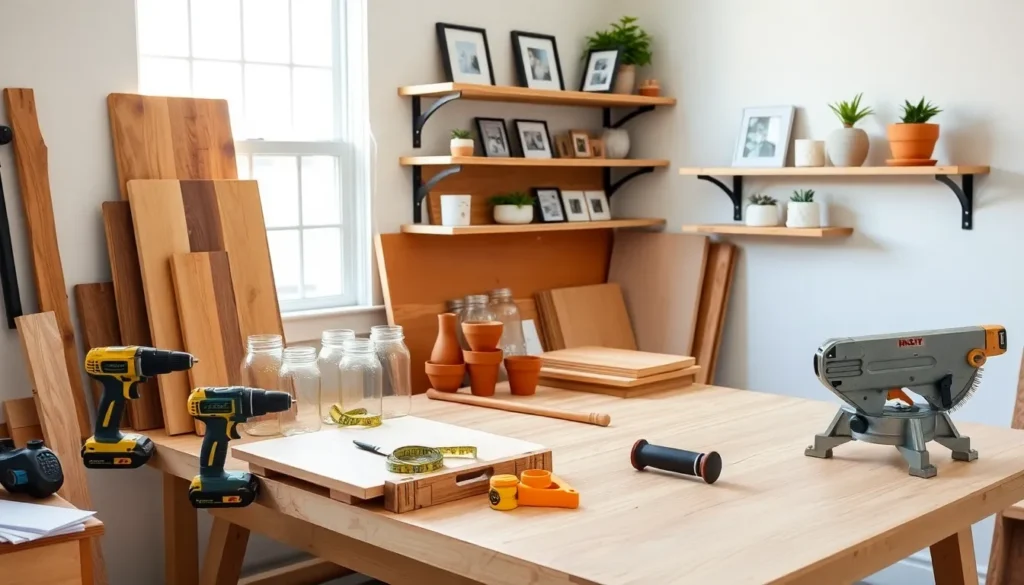
Having the right tools before starting saves trips to the hardware store mid-project. DIY projects strategies should include a complete supply list.
Start by watching tutorials or reading guides for the specific project. Note every tool mentioned. Check the garage or workshop for items already owned. Make a shopping list for everything else.
Quality matters for tools. A cheap drill might work once, but it won’t survive multiple projects. Investing in mid-range tools pays off over time. They last longer and perform better.
Renting makes sense for specialty equipment. A tile saw used once doesn’t justify a $300 purchase. Most hardware stores rent tools by the day or week. This option keeps costs down without sacrificing quality.
Materials deserve equal attention. Buy slightly more than the calculations suggest. Running short of paint or tiles mid-project creates delays and potential color-matching problems. Most stores accept returns on unused materials, so over-buying carries little risk.
Organize supplies before starting. Nothing kills momentum like searching for a missing screw or the right sandpaper grit. A clean, organized workspace speeds up every phase of the project.
Break Projects Into Manageable Steps
Large projects feel overwhelming when viewed as one giant task. Effective DIY projects strategies break work into smaller, achievable steps.
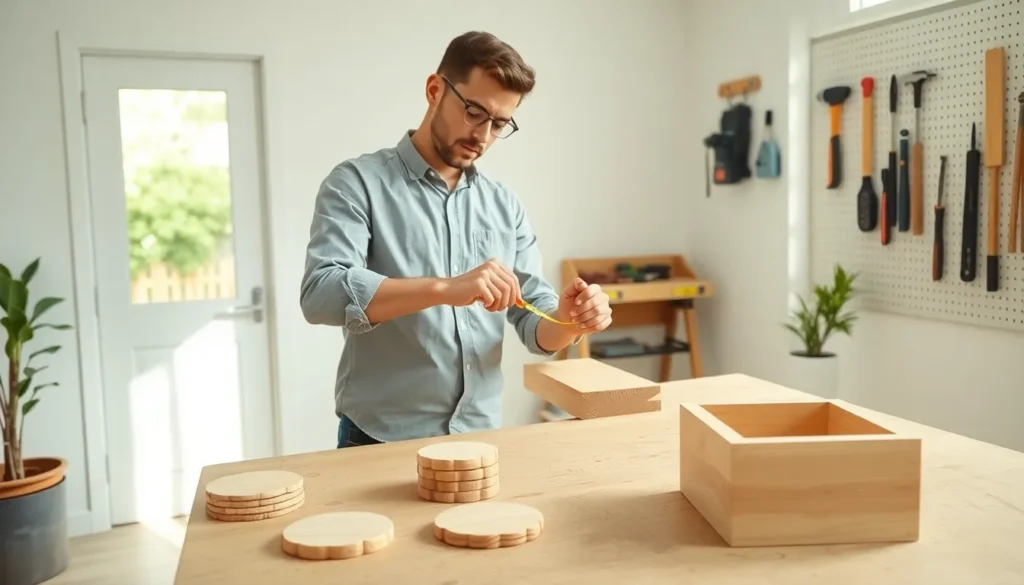
Create a checklist for each phase. “Build a bookshelf” becomes: cut wood to size, sand all pieces, apply stain, assemble frame, attach shelves, mount to wall. Each completed step provides motivation to continue.
Tackle one step at a time. Rushing through multiple phases leads to mistakes. A crooked cut in step one causes problems in step five. Taking time at each stage prevents compounding errors.
Document progress with photos. These images help troubleshoot problems and provide a record of hidden elements (like electrical wiring behind drywall) for future reference. Plus, before-and-after photos offer satisfying proof of accomplishment.
Schedule breaks into the work plan. Fatigue causes accidents and poor decisions. A tired DIYer makes mistakes that cost time and money. Short breaks maintain focus and energy throughout the project.
Know When to Call a Professional
Smart DIY projects strategies include knowing personal limits. Some tasks require licensed professionals for safety and legal reasons.
Electrical work beyond simple fixture swaps needs an electrician. Mistakes with wiring cause fires and electrocution. Building codes require permits and inspections for major electrical changes. A professional ensures the work meets safety standards.
Plumbing projects involving main lines or gas connections belong to licensed plumbers. A small leak behind a wall can cause thousands of dollars in water damage. The cost of a professional is often less than fixing a DIY disaster.
Structural changes, removing walls, adding windows, or modifying foundations, require engineering expertise. Load-bearing walls hold up the house. Cutting into them without proper knowledge risks catastrophic failure.
Honest self-assessment prevents expensive mistakes. Watching a YouTube video doesn’t replace years of trade experience. When the project exceeds skill level, hiring help protects the home and the homeowner.
That said, professionals can handle the complex parts while the homeowner tackles simpler tasks. This hybrid approach saves money without compromising safety.