
Table of Contents
ToggleDIY projects tips can transform how homeowners approach repairs, upgrades, and creative builds. A well-executed project saves money, builds skills, and creates real satisfaction. But jumping in without preparation often leads to wasted time, blown budgets, and frustrating results.
The difference between a successful DIY project and a disaster usually comes down to preparation. Knowing which tools to use, how to stay safe, and when to step back matters just as much as the work itself. This guide covers practical DIY projects tips that help beginners and experienced makers complete home projects with confidence.
Key Takeaways
- Start every DIY project with a detailed plan that defines scope, materials, and a realistic timeline to avoid costly mistakes.
- Invest in quality essential tools like a cordless drill, circular saw, and proper safety equipment for safer, more efficient work.
- Always prioritize safety by wearing protective gear, reading tool manuals, and keeping work areas clean and well-lit.
- Save money on DIY projects by comparing prices, shopping sales, considering reclaimed materials, and renting specialized tools.
- Know your limits—call a professional for electrical, structural, or permit-required work to protect your home and safety.
- Following these DIY projects tips helps beginners and experienced makers complete home improvements with confidence and better results.
Planning Your DIY Project Before You Start
Every successful DIY project starts with a solid plan. Skipping this step is the fastest way to run out of materials mid-project or realize the design won’t actually work.
Start by defining the scope. Write down exactly what the finished project should look like and what it needs to accomplish. A vague goal like “fix the deck” leads to problems. A specific goal like “replace twelve rotted boards and reseal the entire surface” gives clear direction.
Next, research the process. Watch tutorial videos, read instructions, and look at similar projects others have completed. This research reveals common mistakes and hidden steps that aren’t obvious at first glance. Many DIYers discover during research that their “simple” project requires permits or specialized techniques.
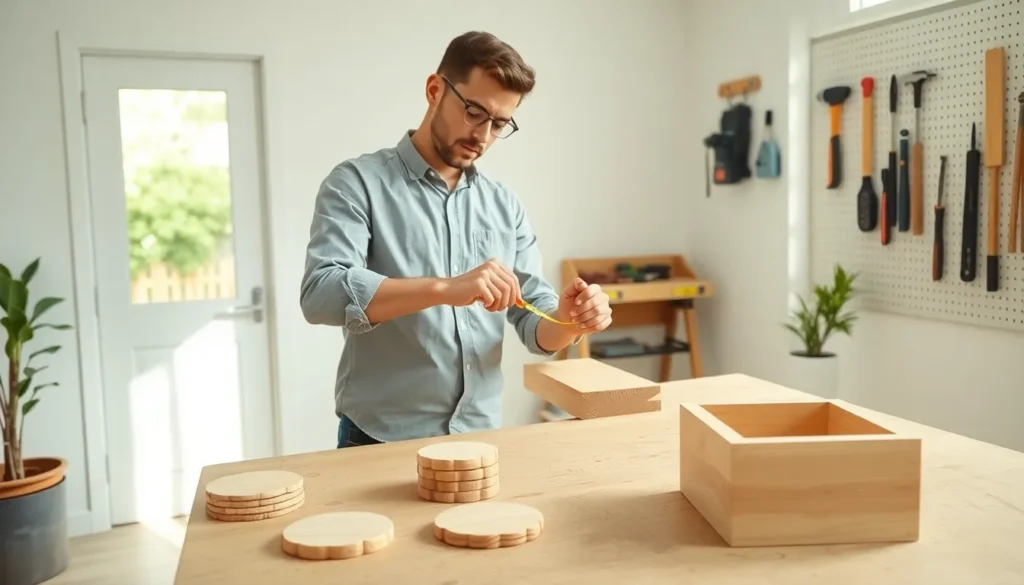
Create a materials list with quantities. Measure twice, this cliché exists because it prevents expensive errors. Add 10-15% extra material for cuts, mistakes, and unexpected needs. Running to the hardware store three times kills momentum and wastes hours.
Set a realistic timeline. Most DIY projects take longer than expected, especially for first-timers. A weekend project might stretch into two weekends. Planning for this prevents frustration and half-finished work sitting in the garage for months.
These DIY projects tips during the planning phase prevent most common failures before they happen.
Essential Tools Every DIYer Should Own
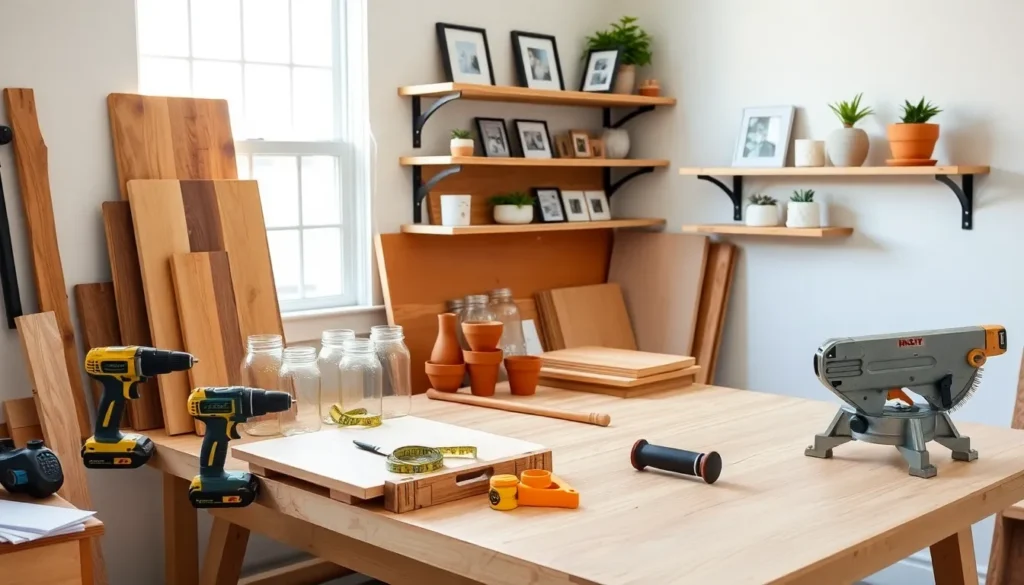
The right tools make DIY projects faster, safer, and more enjoyable. Investing in quality basics pays off across dozens of future projects.
Hand Tools
A quality hammer, tape measure, and level form the foundation. Add a set of screwdrivers (both flathead and Phillips), an adjustable wrench, and pliers. These handle most basic repairs and assembly tasks.
Power Tools
A cordless drill/driver is the single most useful power tool for DIY work. It drives screws, drills holes, and handles countless tasks. A circular saw cuts lumber for framing and woodworking projects. A jigsaw handles curved cuts and detail work.
Safety Equipment
Safety glasses protect eyes from debris. Work gloves prevent cuts and splinters. A dust mask or respirator is essential for sanding, painting, or working with insulation.
Measuring and Marking
A 25-foot tape measure covers most residential projects. A combination square helps mark accurate 90-degree angles. A stud finder locates framing behind walls for secure mounting.
Buy the best quality affordable within budget. Cheap tools break, slip, and create dangerous situations. Mid-range tools from reputable brands last years and perform reliably. These DIY projects tips about tools prevent frustration and produce better results.
Safety Practices to Follow During Any Project
Safety isn’t optional, it’s the foundation of every DIY project. Injuries turn fun weekend projects into emergency room visits and long recoveries.
Always wear appropriate protective equipment. Safety glasses protect against flying debris, dust, and splashes. Hearing protection matters when using loud power tools. Gloves protect hands during rough work, but remove them around spinning machinery where they can catch and pull hands into danger.
Read tool manuals before first use. Each tool has specific safety requirements and proper operating procedures. A table saw requires different precautions than a reciprocating saw. Understanding these differences prevents accidents.
Keep work areas clean and well-lit. Clutter causes trips and falls. Poor lighting leads to mistakes and injuries. Clear debris regularly and position work lights to eliminate shadows on cutting lines.
Know the location of electrical wires and plumbing before cutting into walls. A stud finder with wire detection helps, but shutting off power to the area provides real protection. Hitting a live wire or water line turns a simple project into a major problem.
Work when alert and focused. Fatigue causes mistakes. Taking breaks prevents accidents. Never rush through cuts or skip safety steps to save time.
These DIY projects tips about safety protect both the worker and the home.
Budget-Friendly Tips to Save Money on Materials
DIY projects already save money compared to hiring contractors, but smart shopping stretches budgets even further.
Compare prices across multiple stores. Hardware store prices vary significantly, and online retailers sometimes beat local options, even after shipping. Price matching policies at major retailers can combine the best deals.
Buy during sales. Holiday weekends, end-of-season clearances, and store promotions offer substantial savings on materials and tools. Planning projects around these sales reduces costs without sacrificing quality.
Consider reclaimed and salvaged materials. Architectural salvage stores sell doors, hardware, and lumber at fractions of retail prices. Habitat for Humanity ReStores stock donated building materials cheaply. Facebook Marketplace and Craigslist often list leftover project materials.
Rent expensive tools instead of buying. A tile saw used once costs hundreds to purchase but rents for under fifty dollars daily. Many hardware stores offer tool rental programs for specialized equipment.
Avoid over-buying, but don’t under-buy either. Calculate needs carefully and add a reasonable buffer. Returning unopened materials beats multiple shopping trips, but huge surplus wastes money.
Use coupons and loyalty programs. Sign up for store emails and apps. A 20% off coupon on a large purchase adds up quickly.
These budget-focused DIY projects tips keep costs low without compromising project quality.
Knowing When to Call a Professional
Not every project belongs in DIY territory. Recognizing limits protects homes, health, and finances.
Electrical work beyond simple outlet and switch replacements requires professional attention. Mistakes create fire hazards and code violations that affect insurance coverage and home resale. Licensed electricians handle panel work, new circuits, and anything involving permits.
Plumbing projects involving main lines, gas connections, or sewer work need professional expertise. A botched water heater installation or gas line repair creates serious safety risks. Simple repairs like replacing faucets or fixing running toilets fall within DIY scope.
Structural modifications require engineering knowledge. Removing walls, adding windows, or modifying roof lines affects home integrity. What looks like a simple wall might be load-bearing. Professionals assess these situations safely.
Roofing work combines height danger with waterproofing importance. Falls cause serious injuries, and improper installation leads to leaks and damage. Minor repairs might work as DIY, but full replacements benefit from professional crews.
Permit requirements signal complexity. Projects requiring permits usually need inspections to verify safety and code compliance. Unpermitted work creates legal and insurance problems.
The smartest DIY projects tips include knowing when to hand off work. Paying a professional costs less than fixing DIY disasters or treating preventable injuries.