Table of Contents
ToggleA movie breakdowns guide helps viewers understand films on a deeper level. Instead of passively watching, skilled analysts dissect every frame, scene, and dialogue choice. This guide teaches the essential techniques for breaking down movies like a professional critic or filmmaker.
Film analysis goes beyond personal opinions. It examines how directors use visual storytelling, sound design, and narrative structure to create meaning. Whether someone wants to write better reviews, improve their own filmmaking, or simply appreciate cinema more fully, learning movie breakdown techniques provides lasting value.
Key Takeaways
- A movie breakdown systematically analyzes a film’s story, visuals, sound, performance, and editing to understand how each element contributes to the whole.
- Effective film analysis requires multiple viewings—first for overall impressions, then for focused examination of specific elements like cinematography or dialogue.
- Follow a six-step process: watch naturally, research context, rewatch with focus, document observations with timestamps, identify patterns, and synthesize findings.
- Cinematography choices like camera angles, lighting, and color grading communicate meaning—learn to decode these visual storytelling techniques.
- Use tools like frame-by-frame playback, screenshot software, and film theory books to enhance your movie breakdowns and build professional-level analytical skills.
What Is a Movie Breakdown?
A movie breakdown is a systematic analysis of a film’s components. It separates the viewing experience into distinct elements, story, visuals, sound, performance, and editing, then examines how each contributes to the whole.
Professional screenwriters use movie breakdowns to study successful scripts. Directors analyze films to understand blocking and camera placement. Film students break down classics to learn fundamental techniques. Critics employ movie breakdown methods to write informed reviews.
The process differs from casual movie watching in one key way: intention. A movie breakdown requires active engagement. The viewer asks specific questions throughout. Why did the director choose that camera angle? What does the lighting suggest about this character’s emotional state? How does the musical score reinforce the scene’s tension?
A thorough movie breakdown typically requires multiple viewings. The first watch establishes overall impressions. Subsequent viewings focus on specific elements like cinematography, dialogue, or editing patterns. This layered approach reveals details that escape casual observation.
Key Elements to Analyze in Any Film
Every movie breakdown should examine several core components. These elements work together to create the viewing experience, and understanding each one separately builds stronger analytical skills.
Narrative Structure and Storytelling
Story forms the backbone of most films. A movie breakdown examines how the narrative unfolds across three acts, setup, confrontation, and resolution. Some films follow this structure closely. Others deliberately subvert expectations.
Character arcs deserve close attention in any movie breakdown. How do protagonists change from beginning to end? What obstacles drive their transformation? Strong films create characters whose internal struggles mirror external conflicts.
Dialogue analysis reveals character relationships and thematic concerns. A movie breakdown notes not just what characters say but how they say it. Subtext, the meaning beneath spoken words, often carries more weight than surface conversation.
Pacing affects how audiences experience the story emotionally. A skilled movie breakdown identifies moments where the film accelerates or slows down. These rhythm changes typically correspond to shifts in tension or emotional intensity.
Cinematography and Visual Style
Cinematography translates story into images. A movie breakdown analyzes shot composition, camera movement, and lighting choices. Each decision communicates information to viewers.
Wide shots establish location and context. Close-ups reveal emotion and psychological states. The transition between these extremes creates visual rhythm. A movie breakdown tracks these patterns throughout the film.
Color grading and lighting design establish mood. Cold blue tones suggest isolation or sadness. Warm colors create comfort or nostalgia. High contrast lighting produces drama. Soft, diffused light feels romantic or dreamlike.
Camera movement carries meaning too. Static shots feel stable or trapped. Tracking shots create energy and forward momentum. Handheld footage produces intimacy or anxiety. A complete movie breakdown identifies these techniques and explains their effects.
Step-by-Step Process for Breaking Down a Movie
Following a structured process makes movie breakdowns more productive. These steps work for any film, from blockbusters to independent features.
Step 1: Watch Without Taking Notes
The first viewing should feel natural. Experience the film as an audience member. Notice emotional responses without analyzing them yet. This initial impression provides a baseline for deeper analysis.
Step 2: Research Context
Before the second viewing, research the film’s background. When was it made? What was happening culturally at that time? Who directed it, and what themes appear in their other work? This context shapes interpretation.
Step 3: Watch Again with a Specific Focus
The second viewing targets one element. Some analysts focus on cinematography. Others examine dialogue patterns or sound design. A focused movie breakdown prevents overwhelm and produces sharper insights.
Step 4: Document Observations
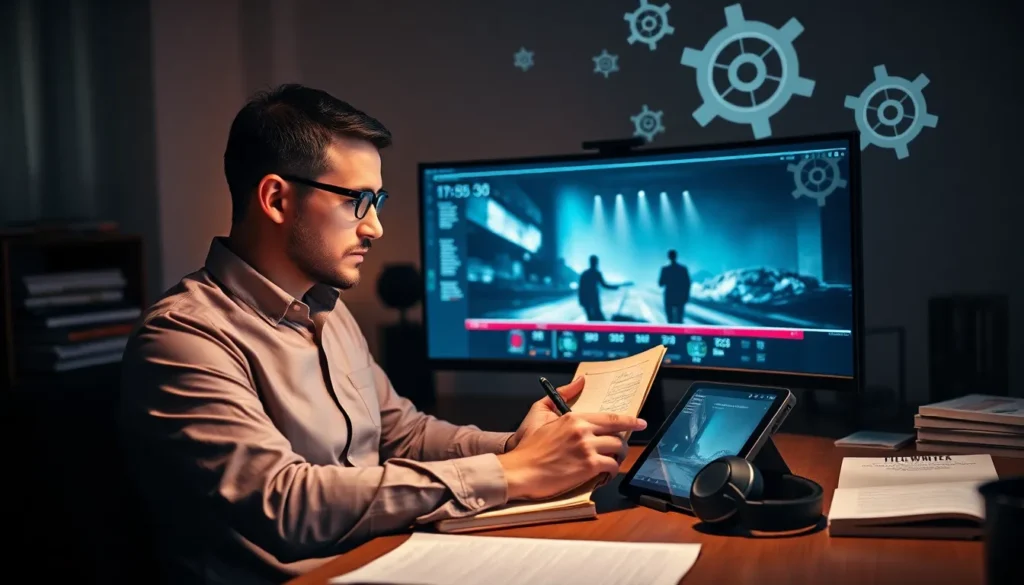
Take detailed notes during focused viewings. Timestamp significant moments. Describe specific techniques rather than general impressions. “Low-angle shot of antagonist at 0:42:15” provides more value than “interesting camera work.”
Step 5: Identify Patterns and Themes
Review notes after each viewing. Look for recurring visual motifs, dialogue phrases, or structural elements. Patterns reveal the filmmaker’s intentions. A strong movie breakdown connects these patterns to larger themes.
Step 6: Synthesize Findings
The final step combines observations into coherent analysis. How do cinematography, sound, performance, and editing work together? What meaning emerges from their combination? This synthesis distinguishes amateur observations from professional movie breakdowns.
Tools and Resources for Film Analysis
Several tools enhance movie breakdown quality. These resources help analysts capture, organize, and deepen their observations.
Streaming Services with Playback Controls
Frame-by-frame analysis requires precise playback controls. Services like Netflix, Amazon Prime, and Criterion Channel allow pause and slow-motion viewing. These features prove essential for studying editing rhythms and visual details.
Screenshot and Annotation Software
Capturing specific frames helps document visual analysis. Tools like VLC Media Player allow screenshot exports. Image editors enable annotations highlighting composition, color, and lighting choices.
Film Analysis Databases
Websites like IMDB provide production credits and trivia. The American Film Institute offers historical context. Academic databases contain scholarly articles examining specific films and movements.
Books on Film Theory
Classic texts deepen movie breakdown skills. “Film Art: An Introduction” by Bordwell and Thompson covers fundamental techniques. “In the Blink of an Eye” by Walter Murch explores editing theory. These resources provide vocabulary and frameworks for analysis.
Online Communities
Film analysis communities offer feedback and discussion. Subreddits like r/TrueFilm host serious movie breakdown conversations. Letterboxd allows users to read and share detailed reviews. Engaging with other analysts sharpens critical thinking.