
Table of Contents
ToggleEsports coverage has become a major part of modern media. Millions of fans watch competitive gaming tournaments, read match analyses, and follow their favorite players through dedicated news outlets. But what exactly does esports coverage include, and why does it matter?
This guide breaks down the different forms of esports coverage, where fans can find it, and how this media sector continues to grow. Whether someone is new to competitive gaming or a longtime enthusiast, understanding esports coverage helps explain how the industry communicates with its massive global audience.
Key Takeaways
- Esports coverage includes all media content that reports on, analyzes, or broadcasts competitive video gaming—from live tournament streams to news articles and podcasts.
- Live event broadcasting is the most visible form of esports coverage, with major tournaments now rivaling traditional sports in production quality.
- Fans can find esports coverage on platforms like Twitch, YouTube Gaming, dedicated websites (Dot Esports, Dexerto), and even traditional sports networks like ESPN.
- Unlike traditional sports journalism, esports coverage must address multiple game titles, each with its own competitive ecosystem and storylines.
- The future of esports coverage includes rising production values, mobile gaming expansion, personalized viewing experiences, and AI-powered content tools.
- Social media platforms like X (Twitter), Reddit, and TikTok play a crucial role in distributing esports coverage and spreading highlights to broader audiences.
Understanding Esports Coverage
Esports coverage refers to all media content that reports on, analyzes, or broadcasts competitive video gaming. It mirrors traditional sports journalism in many ways. Reporters cover tournaments, interview players, and break news about team rosters or sponsorship deals.
The scope of esports coverage has expanded dramatically over the past decade. In 2024, the global esports audience reached over 500 million viewers. This growth created demand for professional journalism, in-depth analysis, and high-quality production values.
Esports coverage serves several purposes. It informs fans about upcoming matches and tournament results. It provides context through player profiles and team histories. It also entertains through highlight reels, podcasts, and documentary-style content.
Unlike traditional sports, esports coverage must address multiple game titles. A single outlet might cover League of Legends, Counter-Strike 2, Valorant, and Dota 2. Each game has its own competitive ecosystem, rules, and storylines. This variety makes esports coverage both challenging and diverse.
The professionals behind esports coverage include journalists, analysts, commentators, and video producers. Many started as fans or players before transitioning into media roles. Their knowledge of specific games gives esports coverage an authenticity that resonates with audiences.
Types of Esports Coverage
Esports coverage takes many forms. Each type serves different audience needs and consumption habits.
Live Event Broadcasting
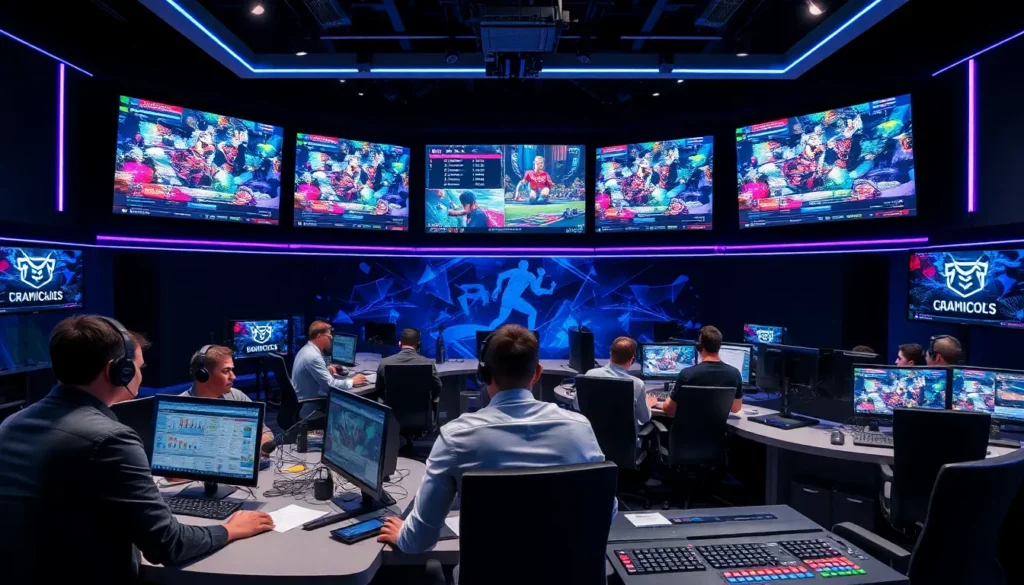
Live broadcasts represent the most visible form of esports coverage. Major tournaments attract millions of concurrent viewers across streaming platforms. These productions feature professional commentators, analyst desks, and broadcast-quality graphics.
The production quality of live esports coverage now rivals traditional sports. Events like The International (Dota 2) and the League of Legends World Championship use multiple camera angles, instant replays, and augmented reality elements. Commentary teams typically include play-by-play casters paired with former professional players who provide strategic insight.
Live esports coverage also happens at smaller scales. Regional leagues, amateur tournaments, and online qualifiers receive broadcast treatment through community streamers and semi-professional production teams. This grassroots coverage helps develop new talent, both in-game and behind the camera.
News and Editorial Content
Beyond live events, esports coverage includes written journalism and editorial content. News articles cover roster changes, tournament announcements, and industry developments. Feature stories profile players, explore team dynamics, and investigate issues affecting competitive gaming.
Opinion pieces and analysis columns give esports coverage depth. Writers break down strategic trends, predict tournament outcomes, and debate controversial decisions. This editorial content helps fans understand the context behind competition.
Video content fills another important role in esports coverage. Documentary series follow teams through competitive seasons. YouTube channels produce match reviews and highlight compilations. Podcasts offer long-form discussions about industry trends and tournament storylines.
Where to Find Esports Coverage
Fans can access esports coverage through multiple channels. The distribution landscape differs significantly from traditional sports media.
Twitch remains the primary platform for live esports coverage. Most major tournaments stream directly on Twitch, often through official league channels. YouTube Gaming has emerged as a strong competitor, securing exclusive rights to certain events. In some regions, platforms like Huya and Douyu dominate the streaming market.
Dedicated esports websites provide comprehensive coverage. Sites like Dot Esports, Dexerto, and The Esports Observer publish daily news, features, and opinion content. Game-specific outlets cover individual titles in greater depth.
Social media plays a crucial role in esports coverage distribution. Twitter (now X) serves as the breaking news platform for roster moves and tournament updates. Reddit communities aggregate coverage and add fan discussion. TikTok and Instagram Reels spread highlight clips to broader audiences.
Traditional sports networks have entered esports coverage as well. ESPN operates an esports vertical with tournament broadcasts and news content. Regional sports networks in various countries now include competitive gaming in their programming.
Podcasts offer another avenue for esports coverage. Shows range from general industry discussions to game-specific analysis. Many feature interviews with players, coaches, and other industry figures.
The Future of Esports Media
Esports coverage continues to evolve as the industry matures. Several trends are shaping its future direction.
Production values keep rising. Broadcasts now incorporate virtual studios, real-time statistics, and interactive viewer features. Investment from endemic sponsors and mainstream brands funds these improvements.
Mobile esports coverage is growing rapidly. Games like Mobile Legends and Free Fire draw massive audiences in Southeast Asia and Latin America. Coverage of these titles is expanding to meet demand from these regions.
Personalization represents another frontier for esports coverage. Platforms are experimenting with customizable broadcast experiences. Viewers might choose their preferred commentators, camera angles, or statistical overlays.
The relationship between esports coverage and betting content is also developing. As more jurisdictions legalize esports wagering, coverage outlets are adding odds and betting analysis to their content mix.
AI-powered tools are beginning to assist esports coverage. Automated highlight generation, real-time stat tracking, and instant translation help producers create more content with greater efficiency.
One challenge facing esports coverage is sustainability. Many outlets struggle with profitability even though large audiences. The industry is still finding the right business models to support quality journalism and production.