Table of Contents
ToggleFinding the best esports coverage has become essential for fans who want to stay informed about competitive gaming. The esports industry generates billions in revenue and attracts millions of viewers worldwide. Yet not all coverage sources deliver the same quality. Some platforms offer breaking news and in-depth analysis, while others focus on live match updates and player interviews. This guide breaks down the top sources for esports coverage, from dedicated news websites to streaming platforms and social media channels. Whether someone follows League of Legends, Counter-Strike, or Valorant, these sources provide the information competitive gaming fans need.
Key Takeaways
- The best esports coverage combines speed, credibility, depth of analysis, and consistent publishing schedules.
- Top esports news websites like Dot Esports, Dexerto, and HLTV offer dedicated editorial teams and comprehensive tournament coverage.
- Twitch and YouTube Gaming are the leading platforms for live esports broadcasts, with tier-one events matching traditional sports production quality.
- Social media platforms like X (Twitter) and Discord provide real-time breaking news and direct access to players and organizations.
- Combining multiple sources—news sites, streaming platforms, social media, and podcasts—delivers the most comprehensive esports coverage experience.
What Makes Great Esports Coverage
Great esports coverage combines several key elements that separate quality journalism from basic match recaps. The best esports coverage delivers accurate information quickly. Speed matters in competitive gaming, where roster changes, tournament results, and patch updates can shift the entire landscape within hours.
Credibility stands as another critical factor. Top esports outlets verify their sources before publishing stories. They build relationships with teams, players, and tournament organizers to access exclusive information. This access allows them to break stories before competitors and provide context that casual observers might miss.
Depth of analysis also defines quality coverage. Surface-level reporting tells readers who won a match. Strong esports coverage explains why teams succeeded or failed. It examines strategies, player performance metrics, and the broader implications for upcoming tournaments.
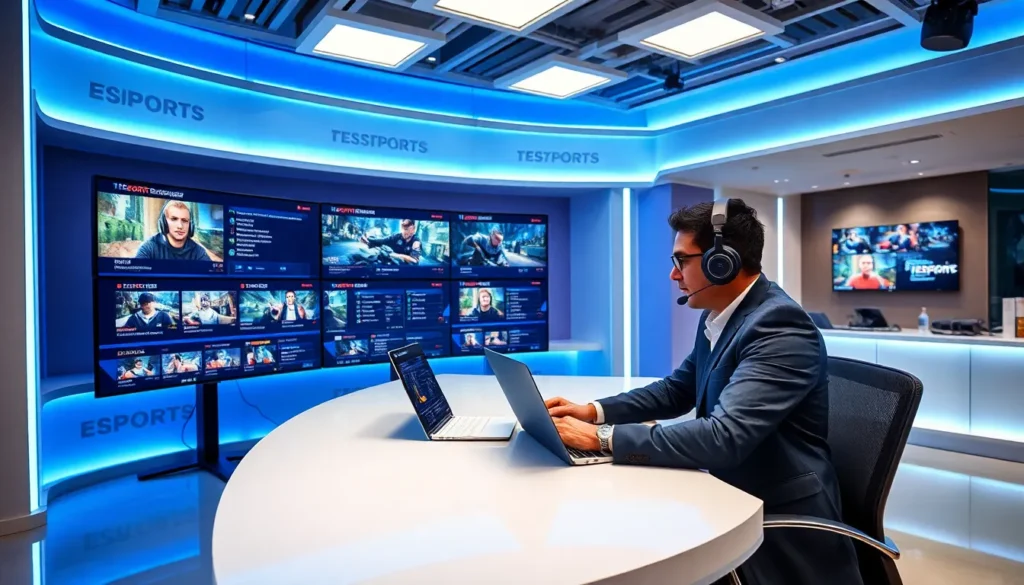
Production quality has improved dramatically across esports media. Professional broadcasts now rival traditional sports in their polish. Commentary teams include former professional players who understand game mechanics at an expert level. Graphics packages display real-time statistics and player information.
The best esports coverage also maintains consistency. Fans want sources they can rely on for daily updates. Outlets that publish sporadically lose audience trust. Regular content schedules and comprehensive tournament coverage build loyal readerships over time.
Leading Esports News Websites
Several websites have established themselves as go-to destinations for esports news and analysis. These platforms provide the best esports coverage through dedicated editorial teams and extensive industry connections.
Dot Esports covers major titles including League of Legends, Valorant, and Dota 2. The site publishes breaking news, tournament coverage, and feature articles daily. Its team includes experienced esports journalists who have followed competitive gaming for years.
Dexerto offers broad esports coverage alongside gaming and entertainment news. The outlet produces video content alongside written articles. Dexerto covers both mainstream esports titles and emerging competitive scenes.
HLTV dominates Counter-Strike coverage specifically. The site tracks player statistics, team rankings, and match results with remarkable detail. Professional CS players and analysts use HLTV data regularly. For Counter-Strike fans seeking the best esports coverage, HLTV remains essential.
Liquipedia functions as a community-maintained wiki covering multiple esports. It provides tournament brackets, team histories, and player profiles. While not a traditional news source, Liquipedia offers comprehensive reference information.
The Esports Observer and Esports Insider focus on the business side of competitive gaming. These outlets cover sponsorship deals, investment news, and industry analysis. They serve professionals working within esports rather than casual fans.
Game-specific subreddits and forums also aggregate news effectively. Communities on Reddit often surface stories before mainstream outlets cover them. But, verification remains inconsistent on these platforms.
Streaming Platforms and Live Coverage
Live streaming platforms deliver the best esports coverage for fans who want to watch matches as they happen. These services have transformed how audiences consume competitive gaming content.
Twitch remains the dominant platform for esports broadcasts. Major tournaments stream directly on Twitch, often through official league channels. The platform hosts millions of concurrent viewers during major events like The International or the League of Legends World Championship. Twitch also allows fans to watch individual streamers discuss matches and provide analysis.
YouTube Gaming has grown significantly as an esports destination. Some leagues, including the Call of Duty League, have signed exclusive broadcasting deals with YouTube. The platform’s on-demand library makes rewatching matches convenient. YouTube’s recommendation algorithm also helps new fans discover esports content.
Kick has emerged as a competitor in the streaming space, though its esports coverage remains limited compared to established platforms.
Broadcast quality varies by event. Tier-one tournaments feature professional production with multiple camera angles, replays, and expert commentary. The best esports coverage during these events matches traditional sports broadcasts in quality. Smaller tournaments may stream with basic production values.
Many esports organizations also produce their own content. Teams stream practice sessions, create documentary series, and publish behind-the-scenes videos. This content gives fans access beyond what traditional coverage provides.
Social Media and Community-Driven Coverage
Social media platforms have become primary sources for the best esports coverage, particularly for breaking news and real-time updates. Fans increasingly turn to these channels before visiting traditional websites.
X (formerly Twitter) remains essential for esports news. Players announce roster moves directly to their followers. Journalists break stories on the platform before publishing full articles. Tournament organizers post schedules, results, and announcements. Following the right accounts creates a comprehensive news feed for competitive gaming.
Discord servers host active communities around specific games and teams. These servers share news, discuss matches, and organize viewing parties. Some esports organizations run official Discord communities where fans interact directly with staff and players.
TikTok and Instagram focus on highlight clips and shorter content. These platforms attract younger audiences who prefer quick videos over long-form articles. Many esports personalities maintain active presences on both platforms.
Podcasts have also grown as sources of esports coverage. Shows like “Summoning Insight” for League of Legends and “Counter-Points” for Counter-Strike provide weekly analysis from industry veterans. Podcast formats allow for deeper discussion than written articles typically offer.
The best esports coverage often combines multiple sources. Fans might follow journalists on X for breaking news, watch matches on Twitch, read analysis on dedicated websites, and join Discord communities for discussion. This multi-platform approach ensures comprehensive information access.