Table of Contents
ToggleThe best movie breakdowns transform how viewers experience cinema. They reveal hidden details, explain directorial choices, and deepen appreciation for storytelling craft. Whether someone watches films casually or studies them seriously, expert analysis adds layers of meaning to every scene.
Finding quality film breakdowns can feel overwhelming. Hundreds of YouTube channels, websites, and podcasts claim to offer deep insights. Some deliver genuine expertise. Others recycle surface-level observations. This guide identifies the most valuable sources for movie breakdowns and explains how to use them effectively.
Key Takeaways
- The best movie breakdowns offer specific, evidence-backed observations that reveal hidden details viewers couldn’t spot on their own.
- Quality film analysis connects technical choices—like camera movement and sound design—to emotional impact, not just plot summary.
- Top YouTube channels for movie breakdowns include Every Frame a Painting, Lessons from the Screenplay, Nerdwriter1, and Thomas Flight.
- Podcasts like The Rewatchables and Blank Check provide in-depth, scene-by-scene breakdowns with unique formats and perspectives.
- To maximize learning, watch the film first, take notes on techniques, then rewatch to spot the elements analysts highlighted.
- Seeking multiple breakdowns of the same film builds a fuller understanding by combining different expert perspectives.
What Makes a Great Movie Breakdown
A great movie breakdown does more than summarize plot points. It teaches viewers something they couldn’t see on their own.
The best movie breakdowns share several key traits. First, they offer specific observations backed by evidence. A strong analysis might point out how a director uses color grading to signal character emotions, then show exact frames proving the pattern. Vague statements like “the cinematography was beautiful” don’t qualify.
Second, quality breakdowns connect technical choices to emotional impact. They explain why a tracking shot creates tension or how sound design builds dread. This bridge between craft and feeling separates expert analysis from amateur commentary.
Third, the best movie breakdowns respect the audience’s intelligence. They present information clearly without over-explaining obvious points. Good analysts trust viewers to follow along and draw their own conclusions from the evidence presented.
Credibility matters too. Breakdowns from filmmakers, film school graduates, or critics with demonstrated expertise carry more weight. That said, passionate self-taught analysts can produce excellent work. The key is whether they support claims with concrete examples rather than personal opinion alone.
Top YouTube Channels for Film Analysis
YouTube hosts the largest collection of movie breakdowns available anywhere. Several channels consistently deliver expert-level analysis.
Every Frame a Painting set the standard for video essays about film. Though the channel stopped producing new content in 2017, its library remains essential. Episodes cover topics like Jackie Chan’s action comedy techniques and the Spielberg oner. Each video packs more insight into eight minutes than most feature-length documentaries.
Lessons from the Screenplay focuses specifically on writing craft. Host Michael Tucker breaks down how screenwriters structure scenes, develop character arcs, and create conflict. His analysis of films like Whiplash and Gone Girl helps viewers understand story mechanics at a deeper level.
Nerdwriter1 takes a broader cultural approach. Evan Puschak examines films alongside art, music, and philosophy. His breakdowns often explore how movies reflect larger social themes.
Thomas Flight produces some of the best movie breakdowns for visual storytelling analysis. His videos examine editing patterns, aspect ratios, and color theory with precision and clarity.
Filmmaker IQ offers more technical deep-dives. Episodes cover the history and science behind cinematography, sound design, and visual effects. This channel works best for viewers who want to understand the tools filmmakers use.
Other notable channels include CineFix for top ten lists with substance, Like Stories of Old for philosophical readings, and Just Write for narrative analysis.
Websites and Podcasts Worth Exploring
Beyond YouTube, several websites and podcasts deliver excellent movie breakdowns.
Roger Ebert’s website remains a treasure trove. Ebert’s reviews often functioned as mini-breakdowns, and the site’s “Great Movies” essays offer extended analysis of classic films. Current contributors maintain his thoughtful approach.
Film School Rejects publishes articles that go beyond typical reviews. Their columns explore specific techniques, genre conventions, and filmmaking history. The writing balances accessibility with genuine expertise.
The Ringer covers film through multiple lenses. Their movie coverage includes both cultural commentary and craft-focused analysis. The Rewatchables podcast deserves special mention, it breaks down beloved films scene by scene with humor and insight.
Blank Check with Griffin and David takes an unusual approach. The hosts examine directors’ complete filmographies, spending two-plus hours on individual films. This format allows for thorough breakdowns impossible in shorter formats.
You Must Remember This focuses on Hollywood history. Host Karina Longworth researches extensively, and her episodes about classic films function as detailed breakdowns of their production and cultural context.
For academic-level analysis, Sight and Sound magazine and Film Comment offer in-depth criticism. These publications require more effort to read but reward serious film students with sophisticated perspectives.
How to Get the Most From Movie Breakdowns
Watching movie breakdowns passively provides entertainment. Engaging with them actively builds lasting knowledge.
Start by watching the film first. The best movie breakdowns assume familiarity with the source material. Spoilers aside, analysis lands harder when viewers have formed their own impressions beforehand.
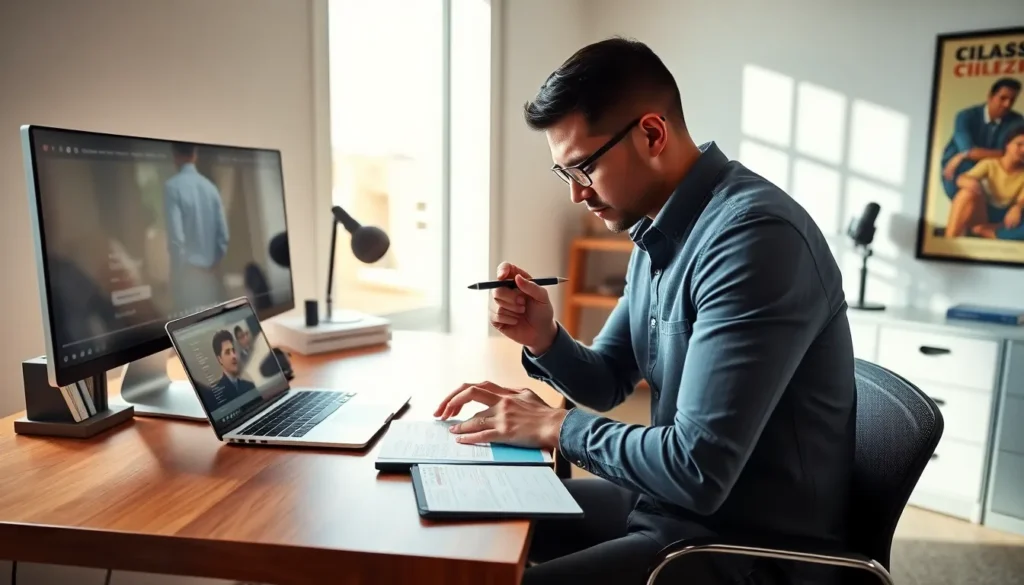
Take notes during breakdowns. Write down specific techniques mentioned, the rule of thirds, match cuts, diegetic sound. These terms build a vocabulary for discussing and understanding film. Over time, viewers start noticing these elements independently.
Rewatch films after studying breakdowns. Pay attention to the specific moments analysts highlighted. See whether their observations hold up. Sometimes a second viewing reveals even more than the breakdown mentioned.
Seek multiple perspectives on the same film. Different analysts emphasize different elements. One might focus on screenplay structure while another examines production design. Together, they create a fuller picture.
Apply insights across films. When a breakdown explains how a director uses shallow focus to isolate characters emotionally, look for that technique in other movies. Pattern recognition accelerates learning.
Finally, stay curious. The best movie breakdowns spark questions rather than close them. They make viewers wonder what else they’ve missed, and eager to find out.