
Table of Contents
ToggleDIY projects offer a satisfying way to create, fix, and improve things with your own hands. Whether someone wants to save money, learn new skills, or simply enjoy a productive hobby, making things from scratch delivers real results. The best part? Getting started doesn’t require years of experience or expensive equipment.
From simple weekend crafts to full-scale home improvements, DIY projects fit every skill level and budget. This guide covers beginner-friendly ideas, essential tools, and practical tips to help anyone complete their first project, or their fiftieth, with confidence.
Key Takeaways
- DIY projects can save thousands of dollars—a bathroom renovation may cost under $1,000 versus $5,000 with a contractor.
- Start with beginner-friendly DIY projects like floating shelves, painted furniture, or mason jar organizers to build confidence.
- Essential tools for DIY success include a cordless drill, hammer, tape measure, level, and safety gear like glasses and gloves.
- Always measure twice and cut once, and budget 10-15% extra materials to account for mistakes.
- Know your limits—major electrical work, gas lines, and structural changes require licensed professionals to ensure safety and code compliance.
Why DIY Projects Are Worth Your Time
DIY projects deliver benefits that go far beyond the finished product. Here’s why so many people choose to make things themselves.
Save Money on Labor and Materials
Hiring professionals costs money, often a lot of it. When someone builds a bookshelf, paints a room, or fixes a leaky faucet on their own, they pay only for materials. A simple bathroom renovation can cost $5,000 with a contractor but under $1,000 as a DIY project. Those savings add up fast.
Build Practical Skills
Every DIY project teaches something new. Basic woodworking, electrical work, plumbing repairs, and painting techniques become easier with practice. These skills transfer across projects, making future work faster and better.
Create Exactly What You Want
Store-bought items come in limited sizes, colors, and styles. DIY projects let creators customize every detail. Want a desk that fits a specific corner? Build it. Need shelves that match existing furniture? Make them. This control over design produces results that generic products can’t match.
Experience Genuine Satisfaction
Finishing a DIY project feels good. There’s something deeply rewarding about looking at a finished piece and knowing you made it yourself. This sense of accomplishment motivates people to take on bigger challenges and develop their abilities further.
Easy DIY Projects for Beginners
New to DIY projects? Start with these straightforward ideas that require minimal tools and experience.
Floating Shelves
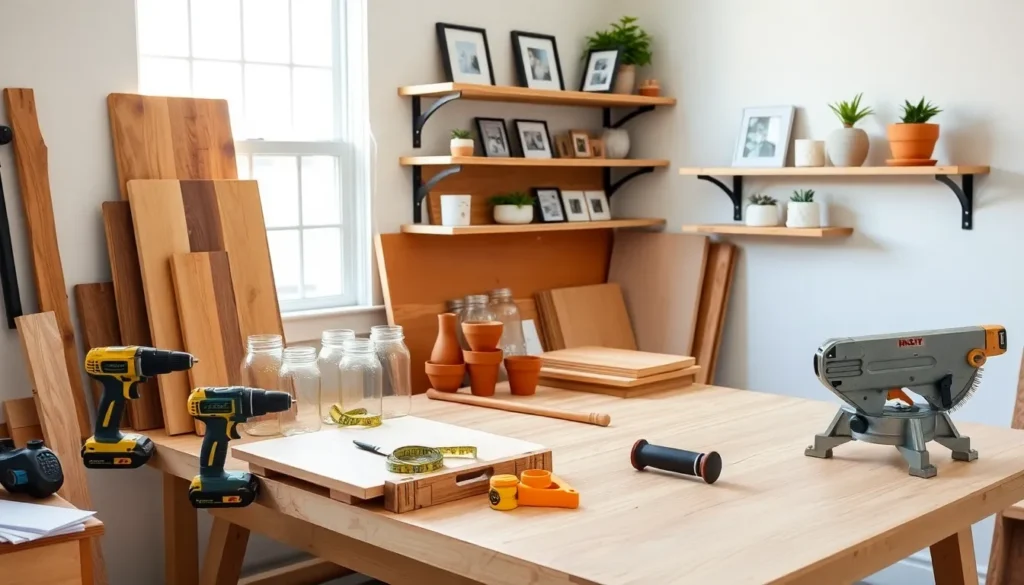
Floating shelves add storage and style to any room. They require just a few pieces of wood, brackets, screws, and a level. Most beginners can install a set in under two hours. These shelves work great in living rooms, bathrooms, and home offices.
Painted Furniture
Old furniture gets new life with a fresh coat of paint. Sand the surface lightly, apply primer, and add two coats of paint in your chosen color. This DIY project transforms thrift store finds into statement pieces for under $50.
Mason Jar Organizers
Mason jars attached to wood boards create attractive organizers for bathrooms, kitchens, or workshops. Secure jars with hose clamps or pipe straps, mount the board to a wall, and fill with supplies. Total time: about 30 minutes.
Custom Picture Frames
Basic picture frames cost little to make and allow complete creative control. Cut wood pieces to size, join them at 45-degree angles, stain or paint, and add glass and backing. Beginners can complete their first frame in an afternoon.
Home Improvement Projects You Can Do Yourself
Ready for bigger challenges? These home improvement DIY projects make a noticeable difference in living spaces.
Install a Tile Backsplash
A tile backsplash transforms kitchens and bathrooms. The process involves measuring the area, cutting tiles to fit, applying adhesive, setting tiles, and grouting. Peel-and-stick tiles simplify this even further for first-timers. Most kitchen backsplash DIY projects take a weekend to complete.
Replace Interior Doors
Old, damaged doors drag down a home’s appearance. Replacing them requires removing hinges, measuring the opening, and installing a pre-hung door. The hardest part is ensuring proper alignment, but patient work produces professional results.
Build a Deck or Patio
Outdoor living spaces increase home value and enjoyment. Small decks and patios fall within reach of intermediate DIY enthusiasts. Pressure-treated lumber, concrete blocks, and basic carpentry skills combine to create functional outdoor areas.
Update Light Fixtures
Swapping outdated light fixtures instantly modernizes rooms. Turn off power at the breaker, remove the old fixture, connect wires (matching colors), and secure the new fixture. This DIY project takes under an hour per fixture and costs only the price of new lighting.
Essential Tools and Materials for DIY Success
The right tools make DIY projects easier and produce better results. Build this collection over time.
Must-Have Hand Tools
- Hammer: A 16-ounce claw hammer handles most tasks
- Screwdrivers: Get both flathead and Phillips in multiple sizes
- Tape measure: A 25-foot tape covers nearly all projects
- Level: A 24-inch level ensures straight installations
- Pliers: Needle-nose and standard pliers grip, bend, and cut
- Utility knife: Cuts everything from cardboard to drywall
Power Tools Worth Buying
- Cordless drill: The most-used power tool in any workshop
- Circular saw: Cuts lumber quickly and accurately
- Jigsaw: Makes curved cuts that circular saws can’t
- Random orbital sander: Prepares surfaces for finishing
Safety Equipment
Never skip safety gear. Safety glasses protect eyes from debris. Work gloves prevent cuts and splinters. Ear protection guards hearing during loud operations. Dust masks filter harmful particles when sanding or cutting.
Tips for Completing Your DIY Projects Successfully
Good planning and execution separate successful DIY projects from frustrating failures. Follow these guidelines.
Measure Twice, Cut Once
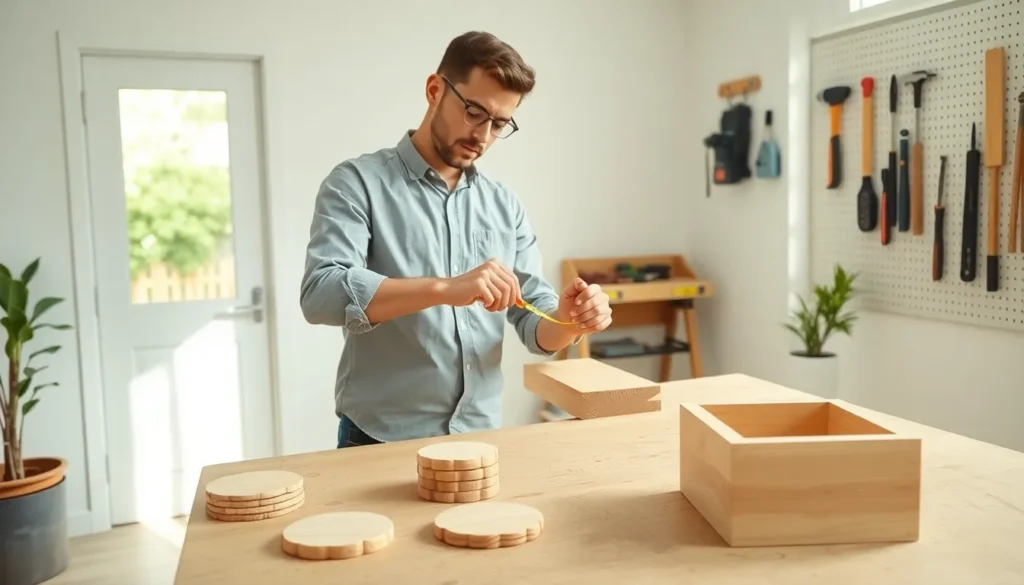
This old saying exists because it’s true. Double-check every measurement before cutting materials. Mistakes waste time and money. Write measurements down rather than trying to remember them.
Watch Tutorial Videos First
Video tutorials show techniques that written instructions can’t capture. Watch several videos on your planned DIY project before starting. Different creators explain things differently, and one approach may click better than another.
Start Small and Build Up
Beginners shouldn’t tackle major renovations on day one. Small DIY projects build confidence and skills that transfer to larger work. A successful floating shelf installation today leads to a successful deck build next year.
Budget for Mistakes
Buy 10-15% extra materials to account for errors. Running out of paint or tile mid-project delays completion and may result in mismatched batches. Extra materials also allow practice cuts before committing to final pieces.
Know When to Call a Professional
Some work requires licensed professionals. Major electrical work, gas line modifications, and structural changes typically need permits and expert installation. Attempting these DIY projects without proper knowledge creates safety hazards and may violate building codes.