Table of Contents
ToggleDIY projects for beginners offer a satisfying way to create something useful with your own hands. Whether you want to refresh your living space, build a small piece of furniture, or craft a thoughtful gift, starting with simple projects builds confidence and skills. The best part? You don’t need expensive equipment or years of experience. This guide covers essential tools, easy home decor ideas, basic woodworking, quick weekend crafts, and practical tips to help first-timers succeed. By the end, you’ll have a clear roadmap to start your creative journey, one project at a time.
Key Takeaways
- DIY projects for beginners don’t require expensive equipment—a cordless drill, basic hand tools, and a few supplies are enough to get started.
- Start with quick-win home decor projects like floating shelves, gallery walls, or painted accent walls to build confidence.
- Simple woodworking projects such as coasters, plant stands, and planter boxes teach fundamental skills that transfer to larger builds.
- Weekend crafts like candle making, macramé plant hangers, and custom tote bags deliver fast, satisfying results in just a few hours.
- Always measure twice before cutting, read all instructions beforehand, and accept that first projects won’t be perfect—skill develops through practice.
- Invest in quality tools over quantity; a reliable hammer or drill will support countless DIY projects for beginners and beyond.
Essential Tools and Supplies for Beginners
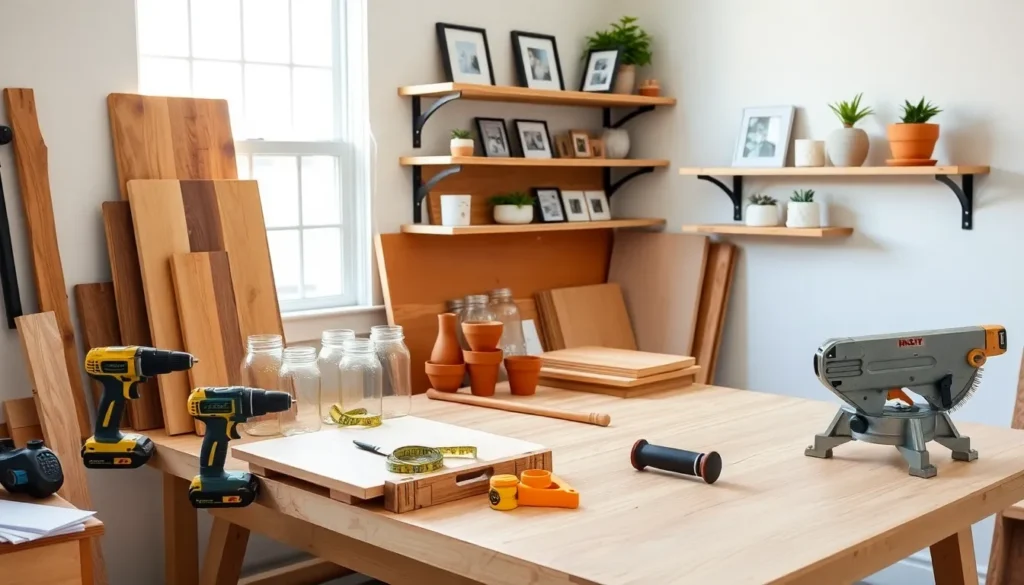
Every successful DIY project starts with the right tools. Beginners don’t need a fully stocked workshop, just a few reliable basics.
Must-Have Hand Tools:
- A claw hammer for driving and removing nails
- A tape measure (at least 16 feet)
- A level for straight installations
- Screwdrivers in both flathead and Phillips styles
- Pliers for gripping and bending
- A utility knife for precise cuts
Power Tools Worth Investing In:
A cordless drill is the single most useful power tool for beginners tackling DIY projects. It handles drilling holes and driving screws quickly. A jigsaw comes next, it cuts curves and straight lines in wood, plastic, and thin metal.
Supplies to Keep on Hand:
Stock your workspace with wood glue, sandpaper in various grits (80, 120, and 220), painter’s tape, and a selection of screws and nails. These basics cover most starter projects.
Quality matters more than quantity. A $30 hammer that lasts 20 years beats a $10 version that breaks after six months. Buy the best you can afford, and your tools will support countless DIY projects for beginners and beyond.
Easy Home Decor Projects to Try First
Home decor projects let beginners see quick results without advanced skills. These ideas transform spaces with minimal investment.
Floating Shelves
Floating shelves look impressive but require only basic installation skills. Purchase pre-made shelves or cut wooden boards to size. Use a level, find wall studs with a stud finder, and secure the mounting brackets. Total time: about one hour per shelf.
Picture Frame Gallery Wall
A gallery wall turns blank walls into focal points. Gather frames in different sizes (thrift stores offer great options), arrange them on the floor first, then transfer your layout to the wall using painter’s tape as a guide.
Mason Jar Organizers
Mason jars mounted to a wooden board create attractive bathroom or kitchen storage. Attach hose clamps to a painted board, slip the jars in, and hang. This project costs under $20 and takes less than an hour.
Painted Accent Wall
Painting one wall in a bold color changes a room’s entire feel. Prep with painter’s tape, use a quality roller, and apply two coats. Even beginners can complete this DIY project in a single afternoon.
These home decor projects build confidence. Each success makes the next project feel less intimidating.
Simple Woodworking Projects for Newcomers
Woodworking sounds advanced, but several DIY projects for beginners require only basic cuts and simple joinery.
Wooden Coasters
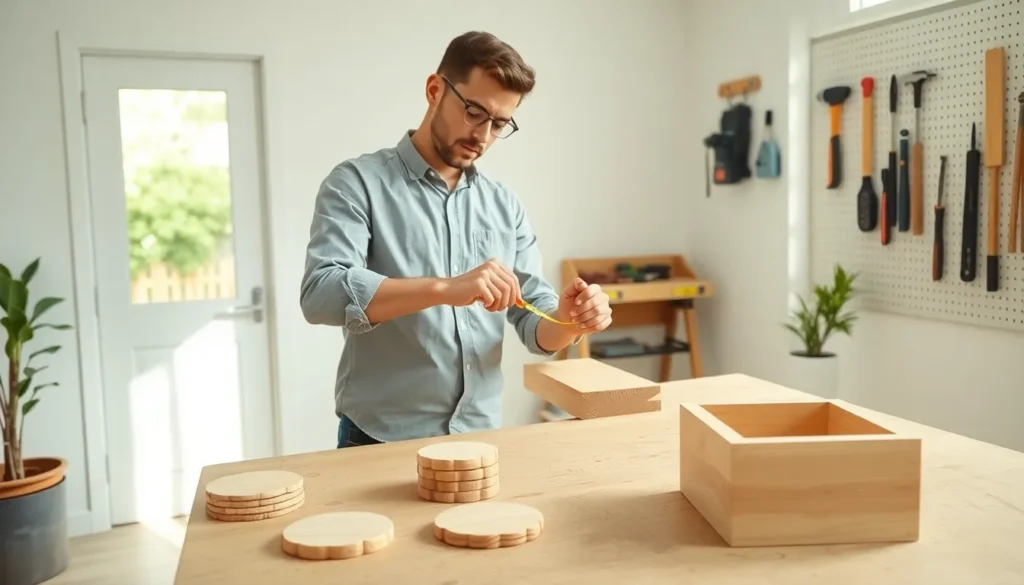
Start here. Cut 4-inch squares from scrap wood, sand the edges smooth, and apply a food-safe finish. This project teaches measuring, cutting, and finishing, fundamental woodworking skills.
Plant Stand
A basic plant stand uses four legs and two cross-pieces. Pine boards work well and cost little. Cut your pieces to length, sand them, and join with wood screws. Add wood glue for extra strength.
Outdoor Planter Box
Cedar resists rot naturally, making it ideal for planter boxes. Cut boards to form a rectangular box, drill drainage holes in the bottom, and assemble with exterior screws. A 24-inch planter takes about two hours to complete.
Simple Bookshelf
A small bookshelf teaches beginners how to work with larger pieces. Use 1×10 pine boards for shelves and sides. Pocket hole joinery (using a Kreg jig) creates strong, hidden connections that look professional.
Pro tip: Always measure twice before cutting. Lumber isn’t cheap, and mistakes happen less often when you slow down and double-check your work. These woodworking DIY projects build skills that transfer to bigger builds later.
Quick Craft Ideas You Can Complete in a Weekend
Sometimes you want fast results. These DIY projects for beginners wrap up in a day or less.
Custom Tote Bags
Plain canvas totes become unique accessories with fabric paint, stencils, or iron-on transfers. Create personalized gifts or make something useful for yourself. Supplies cost under $15.
Candle Making
Soy wax, wicks, and fragrance oils combine to create custom candles. Melt the wax, add scent, pour into containers, and let cool. The whole process takes two to three hours, including cooling time.
Macramé Plant Hangers
Macramé looks complicated but uses only a few basic knots. Cotton cord, a ring, and a YouTube tutorial get beginners started. Most hangers take 30 to 60 minutes once you learn the pattern.
Resin Coasters
Epoxy resin poured into silicone molds creates glossy, professional-looking coasters. Add dried flowers, glitter, or pigments for custom designs. The resin cures overnight, so this project spans two days but requires minimal active work.
Painted Terracotta Pots
Acrylic paint transforms plain clay pots into statement pieces. Use painter’s tape for geometric designs or freehand patterns. Seal with clear spray to protect your work.
Weekend DIY projects like these prove that creativity doesn’t require weeks of effort. Small wins keep motivation high.
Tips for Success on Your First DIY Project
Starting any DIY project can feel overwhelming. These practical tips help beginners avoid common mistakes and finish strong.
Start Small
Resist the urge to build a dining table as your first project. Choose something you can finish in a few hours. Small victories teach skills and build confidence for bigger challenges.
Read Instructions Completely Before Starting
Skimming leads to mistakes. Read every step, watch tutorial videos if available, and gather all materials before you begin. Stopping mid-project to buy missing supplies kills momentum.
Measure Twice, Cut Once
This old saying exists for good reason. Rushed measurements cause wasted materials and frustration. Take your time on this step, accuracy matters.
Accept Imperfection
First projects rarely look perfect. And that’s fine. Handmade items carry character. Learn from what went wrong and apply those lessons next time.
Ask for Help When Stuck
Online forums, YouTube tutorials, and hardware store employees answer questions daily. No one expects beginners to know everything. Asking saves time and prevents costly errors.
Clean Up as You Go
A cluttered workspace leads to accidents and lost tools. Put things back after using them. Your future self will thank you.
DIY projects for beginners become easier with each attempt. Skill develops through practice, not perfection.