Table of Contents
ToggleA solid DIY projects guide can transform anyone from a hesitant beginner into a confident maker. Whether someone wants to build a bookshelf, refinish furniture, or tackle home repairs, the right approach makes all the difference. DIY projects save money, build practical skills, and deliver a sense of accomplishment that store-bought items simply can’t match.
This guide breaks down everything a DIYer needs to know. It covers essential tools, project selection, planning strategies, and common mistakes to avoid. By the end, readers will have a clear roadmap for turning ideas into finished creations.
Key Takeaways
- A comprehensive DIY projects guide helps beginners build confidence by starting with simple tasks like painting rooms or fixing leaky faucets.
- Invest in quality tools—a cordless drill, hammer, tape measure, and safety gear—to prevent frustration and achieve better results.
- Match your skill level to the right project; honest self-assessment prevents wasted materials and unfinished work.
- Plan thoroughly by defining scope, creating a detailed budget with a 10-15% buffer, and gathering all materials before starting.
- Avoid common DIY mistakes like skipping measurements, ignoring safety protocols, and neglecting surface preparation.
- Check local building codes and permit requirements before tackling electrical, plumbing, or structural projects.
Essential Tools and Materials Every DIYer Needs
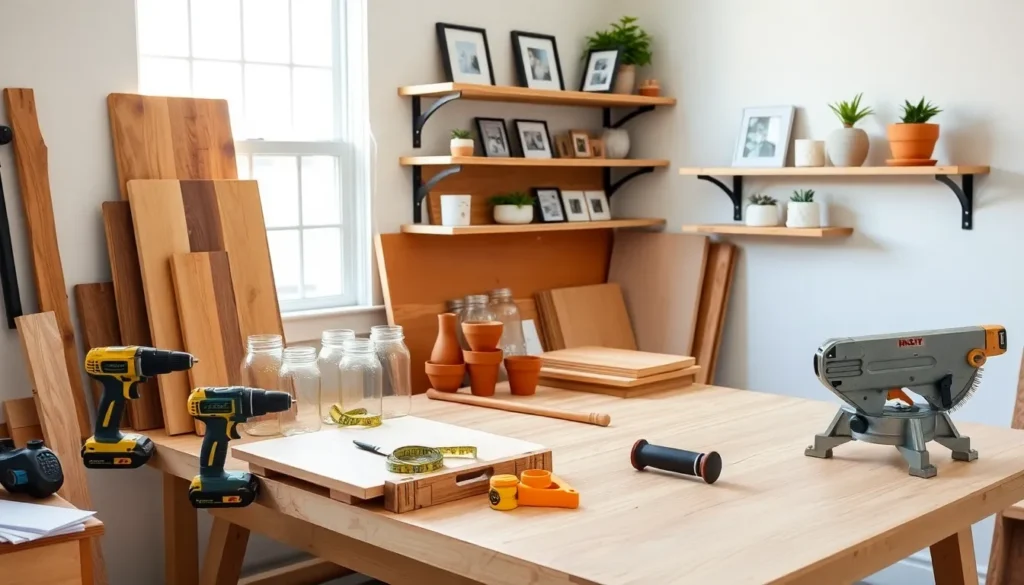
Every successful DIY projects guide starts with the basics: tools and materials. Having the right equipment prevents frustration and produces better results.
Hand Tools
A quality hammer, screwdriver set, and tape measure form the foundation. Pliers, an adjustable wrench, and a utility knife round out the essentials. These tools handle most basic tasks and last for years with proper care.
Power Tools
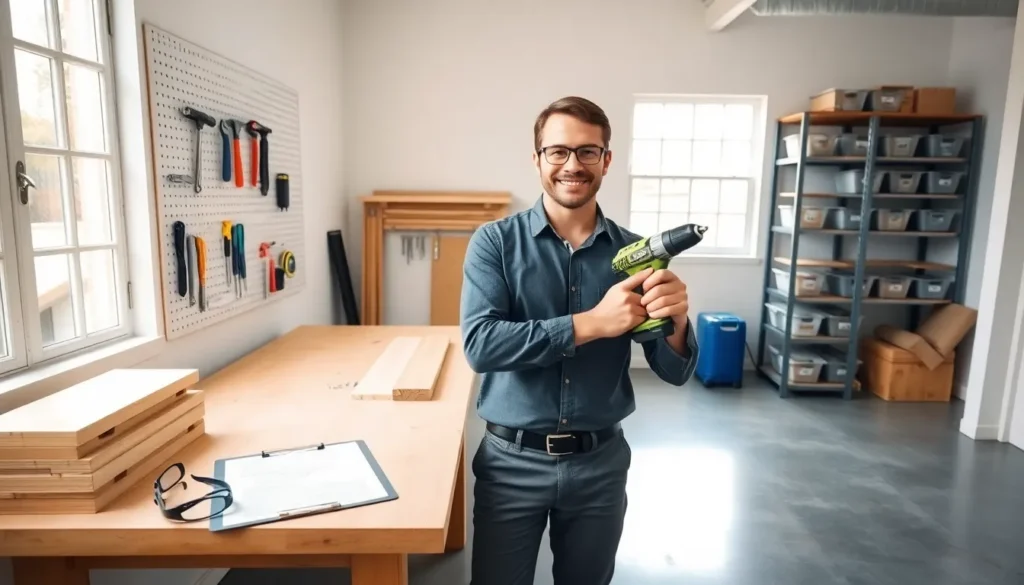
A cordless drill is arguably the most versatile power tool for DIY projects. It drives screws, drills holes, and accepts various attachments. A circular saw or jigsaw opens up woodworking possibilities. Sanders save hours of manual labor on finishing work.
Safety Gear
Safety glasses protect eyes from debris. Work gloves prevent cuts and splinters. Ear protection matters for loud power tools. A dust mask or respirator is critical for sanding, painting, or working with chemicals.
Materials to Keep on Hand
Smart DIYers stock common supplies: wood screws in various sizes, sandpaper in multiple grits, wood glue, painter’s tape, and basic lumber. Having these items ready eliminates mid-project trips to the hardware store.
Quality tools cost more upfront but perform better and last longer. Budget options work for occasional use, but frequent DIYers should invest in reliable brands.
How to Choose the Right DIY Project for Your Skill Level
Picking the right project matters more than most people realize. A DIY projects guide should help readers match their abilities to appropriate challenges.
Beginner Projects
First-time DIYers should start simple. Painting a room, assembling flat-pack furniture, or building a basic shelf requires minimal skills. These projects build confidence and teach fundamental techniques without overwhelming complexity.
Small repairs also make excellent starter projects. Fixing a leaky faucet, patching drywall holes, or replacing cabinet hardware develops practical knowledge step by step.
Intermediate Projects
Once basic skills are solid, intermediate projects become manageable. Building a coffee table, installing a backsplash, or refinishing wood furniture falls into this category. These tasks require more precision and patience but remain achievable with careful planning.
Advanced Projects
Experienced DIYers can tackle bigger challenges. Custom cabinetry, deck construction, or bathroom renovations demand advanced skills and significant time investment. These projects often require permits and inspections.
Honest Self-Assessment
The key is honest evaluation. Overestimating skills leads to frustration, wasted materials, and unfinished projects. Underestimating leads to boredom. The sweet spot is a project that stretches abilities slightly without causing major stress.
Researching projects thoroughly before starting helps set realistic expectations. Tutorial videos, online forums, and DIY communities offer valuable insight into true difficulty levels.
Step-by-Step Planning for Successful DIY Projects
Poor planning kills more DIY projects than lack of skill. A thorough DIY projects guide emphasizes preparation as the foundation of success.
Define the Project Scope
Start by writing down exactly what the project involves. What’s the end goal? What are the specific steps? What materials and tools are needed? Vague ideas lead to vague results.
Create a Detailed Budget
List every material and tool required, then research costs. Add 10-15% for unexpected expenses, they always appear. Running out of money halfway through creates unfinished eyesores.
Establish a Realistic Timeline
Estimate how long each step will take, then add buffer time. DIY projects almost always take longer than expected. A weekend project often stretches into two or three weekends.
Gather Materials Before Starting
Nothing derails momentum like missing supplies. Buy or gather everything before beginning. Check that all tools work properly. Read instructions for any unfamiliar products.
Prepare the Workspace
Clear the work area and protect surrounding surfaces. Good lighting and ventilation make work easier and safer. Organize tools and materials for easy access.
Document the Process
Taking photos before, during, and after serves multiple purposes. It tracks progress, helps troubleshoot problems, and creates a record for future reference. Many DIYers also enjoy sharing their work online.
Solid planning transforms chaotic DIY projects into smooth, enjoyable experiences.
Common DIY Mistakes and How to Avoid Them
Even experienced makers fall into predictable traps. This DIY projects guide highlights frequent errors so readers can sidestep them.
Skipping Measurements
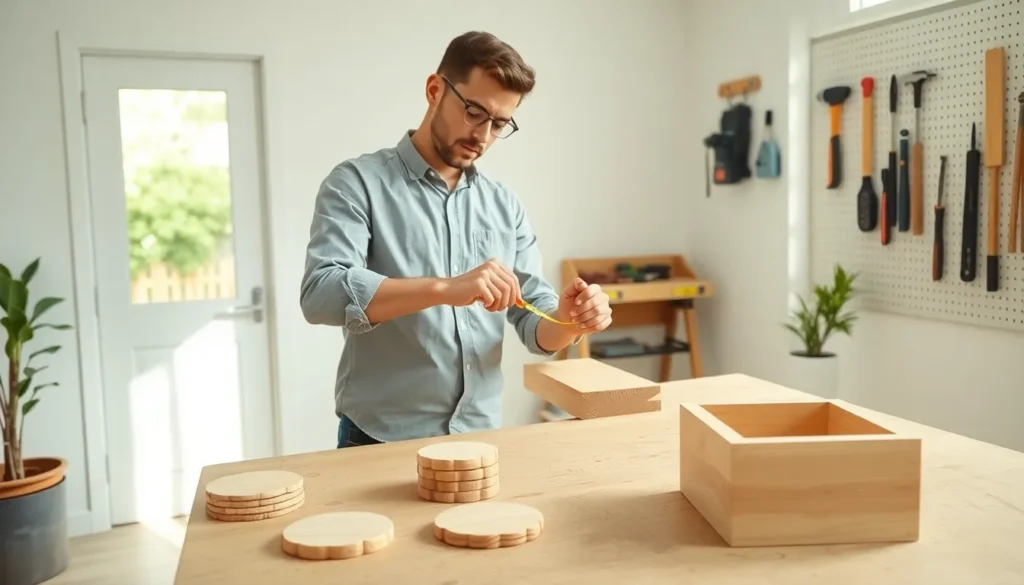
“Measure twice, cut once” exists for good reason. Rushing measurements wastes materials and time. Using a quality tape measure and double-checking numbers prevents costly errors.
Ignoring Safety Protocols
Skipping safety gear seems faster until an injury happens. Eye protection, hearing protection, and proper ventilation aren’t optional. Accidents turn fun projects into emergency room visits.
Buying the Cheapest Materials
Budget materials often create budget results. Cheap lumber warps. Bargain paint requires extra coats. Low-quality hardware fails prematurely. Spending a bit more on materials usually pays off in durability and appearance.
Neglecting Surface Preparation
Paint peels without proper priming. Stain applies unevenly on unsanded wood. Adhesives fail on dirty surfaces. Prep work is tedious but essential for professional-looking results.
Attempting Too Much at Once
Ambitious DIYers sometimes bite off more than they can chew. Large projects become overwhelming when tackled all at once. Breaking work into smaller phases maintains momentum and prevents burnout.
Not Asking for Help
Some tasks genuinely require two people. Heavy lifting, holding materials in place, or complex installations go smoother with assistance. Pride shouldn’t override practicality.
Forgetting to Research Local Codes
Electrical work, plumbing, and structural changes often require permits. Unpermitted work can create legal problems and affect home resale value. Check local requirements before starting major projects.
Learning from others’ mistakes saves time, money, and frustration.