Table of Contents
ToggleEsports coverage for beginners can feel overwhelming at first. Millions of fans watch professional gaming tournaments every year, yet newcomers often struggle to find their footing. This guide breaks down everything new viewers need to know, from popular games and leagues to streaming platforms and community engagement. Whether someone wants to follow their first tournament or simply understand what all the excitement is about, this article provides a clear starting point.
Key Takeaways
- Esports coverage includes live broadcasts, post-match analysis, player interviews, and news updates that help beginners understand competitive gaming.
- Start by picking one or two games like League of Legends, Valorant, or Counter-Strike 2 to make following esports coverage more manageable.
- Twitch and YouTube Gaming are the primary platforms for watching live tournaments, with official league websites offering schedules and standings.
- Learning common esports terms like “meta,” “clutch,” and “ace” significantly improves your viewing experience as a beginner.
- Engage with the community through Reddit, social media, and Twitch chat to enhance your esports coverage experience and connect with other fans.
- The esports community welcomes newcomers—don’t hesitate to ask questions and learn at your own pace.
What Is Esports Coverage?
Esports coverage refers to the reporting, broadcasting, and analysis of competitive video gaming events. Professional players compete in organized tournaments for prize money, sponsorships, and global recognition. Media outlets, streaming platforms, and dedicated websites provide esports coverage through live broadcasts, post-match analysis, player interviews, and news updates.
The esports industry has grown into a multi-billion dollar market. Major tournaments fill arenas with tens of thousands of spectators while millions more watch online. Esports coverage helps fans follow their favorite teams, understand match outcomes, and stay informed about roster changes and upcoming events.
For beginners, esports coverage serves as a gateway into competitive gaming culture. Quality coverage explains game strategies, highlights standout performances, and introduces viewers to the personalities behind the competition. Think of it like traditional sports journalism, but for games like League of Legends, Counter-Strike, and Valorant.
Popular Esports Games and Leagues to Follow
Beginners exploring esports coverage should start with a few major titles. Each game has its own competitive scene, fanbase, and viewing experience.
League of Legends (LoL) dominates the esports landscape. Riot Games hosts the League of Legends Championship Series (LCS) in North America and the League of Legends European Championship (LEC) in Europe. The annual World Championship draws over 100 million viewers globally.
Counter-Strike 2 (CS2) offers fast-paced tactical shooter action. ESL Pro League and BLAST Premier rank among the top CS2 tournament circuits. Matches feature two teams of five competing in round-based gameplay.
Valorant has quickly become a viewer favorite since its 2020 launch. The Valorant Champions Tour (VCT) organizes regional and international competitions throughout the year.
Dota 2 attracts massive audiences with its annual tournament, The International. Prize pools regularly exceed $30 million, making it one of the richest esports events worldwide.
Call of Duty League and Overwatch Champions Series provide entry points for fans of first-person shooters with recognizable franchises.
Beginners benefit from picking one or two games that interest them. Following esports coverage becomes much easier when viewers understand a game’s basic rules and objectives.
Where to Watch Esports Events
Finding esports coverage has never been simpler. Multiple platforms stream live tournaments and archived matches.
Twitch remains the primary destination for esports content. Most major leagues and tournaments broadcast directly on Twitch, offering live chat interaction and community engagement. Viewers can follow specific channels to receive notifications when matches begin.
YouTube Gaming provides an alternative with high-quality streams and easy VOD (video on demand) access. Some leagues, including Call of Duty League, have exclusive YouTube broadcasting deals.
Official league websites often embed streams and provide supplementary coverage. The LCS, VCT, and ESL all maintain dedicated sites with schedules, standings, and news.
Liquipedia serves as an invaluable resource for esports coverage. This wiki-style database tracks tournament brackets, team rosters, match results, and historical data across dozens of games.
Mobile apps from Twitch and YouTube allow fans to watch esports coverage on the go. Many viewers catch matches during commutes or lunch breaks.
Social media platforms like X (formerly Twitter) and Reddit provide real-time updates, highlights, and community discussion. Following official league accounts and team pages keeps fans informed between broadcasts.
Understanding Esports Terminology and Gameplay
Esports coverage uses terminology that might confuse newcomers. Learning key terms improves the viewing experience significantly.
General terms:
- Meta – The current most effective strategies or character selections in a game
- GG – “Good game,” typed after matches as a sign of sportsmanship
- Clutch – Winning a difficult situation, often while outnumbered
- Throw – Losing an advantageous position through mistakes
- Scrim – Practice matches between professional teams
MOBA terms (League of Legends, Dota 2):
- Gank – A surprise attack on an enemy player
- Lane – One of three paths across the map where players farm gold and fight
- Draft – The pre-game phase where teams select and ban characters
FPS terms (CS2, Valorant):
- Ace – One player eliminating all five opponents in a single round
- Eco round – A round where a team saves money instead of buying weapons
- Entry frag – The first kill of a round, often opening space for teammates
Watching esports coverage regularly helps beginners absorb this vocabulary naturally. Casters typically explain key moments and strategies during broadcasts, making games accessible even without deep game knowledge.
Tips for Engaging With the Esports Community
Esports coverage extends beyond watching matches. Active community participation enhances the experience for beginners.
Join subreddits dedicated to specific games or esports in general. Communities like r/leagueoflegends and r/ValorantCompetitive discuss matches, share highlights, and debate team performances. Lurking first helps newcomers learn community norms before posting.
Follow professional players and teams on social media. Players often share behind-the-scenes content, practice clips, and personal commentary. This builds connection to the competitive scene.
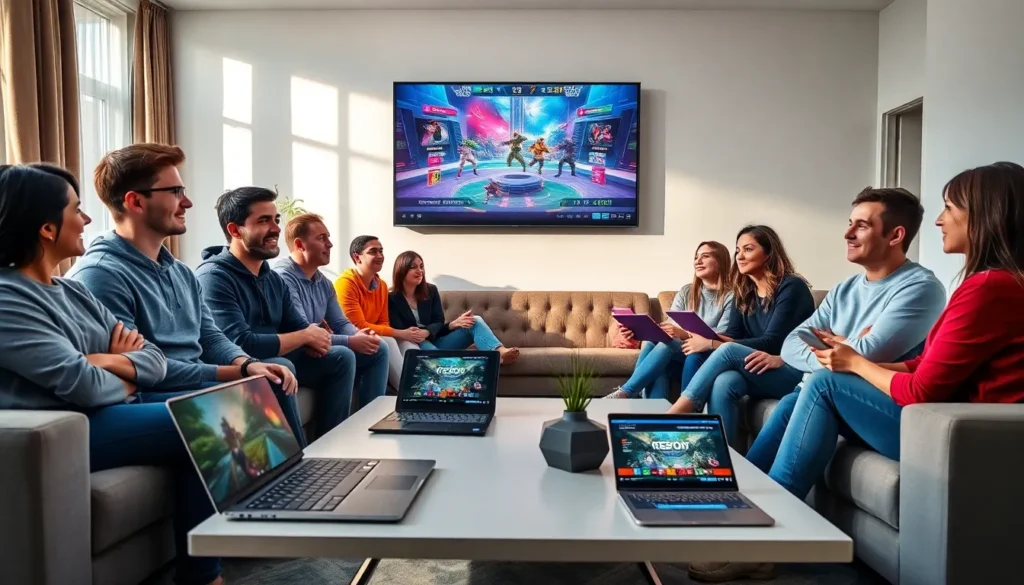
Participate in Twitch chat during live broadcasts. The shared viewing experience creates a sense of community. Emotes, reactions, and real-time discussion make esports coverage feel interactive.
Watch educational content from analysts and former professionals. YouTube channels break down strategies, review matches, and explain why teams succeed or fail. This deeper understanding makes future esports coverage more enjoyable.
Attend local viewing parties or events when possible. Many cities host watch parties for major tournaments. Meeting other fans in person strengthens community bonds.
Beginners shouldn’t feel pressured to know everything immediately. The esports community generally welcomes newcomers who show genuine interest. Asking questions and admitting unfamiliarity with certain games or teams is perfectly acceptable.