Table of Contents
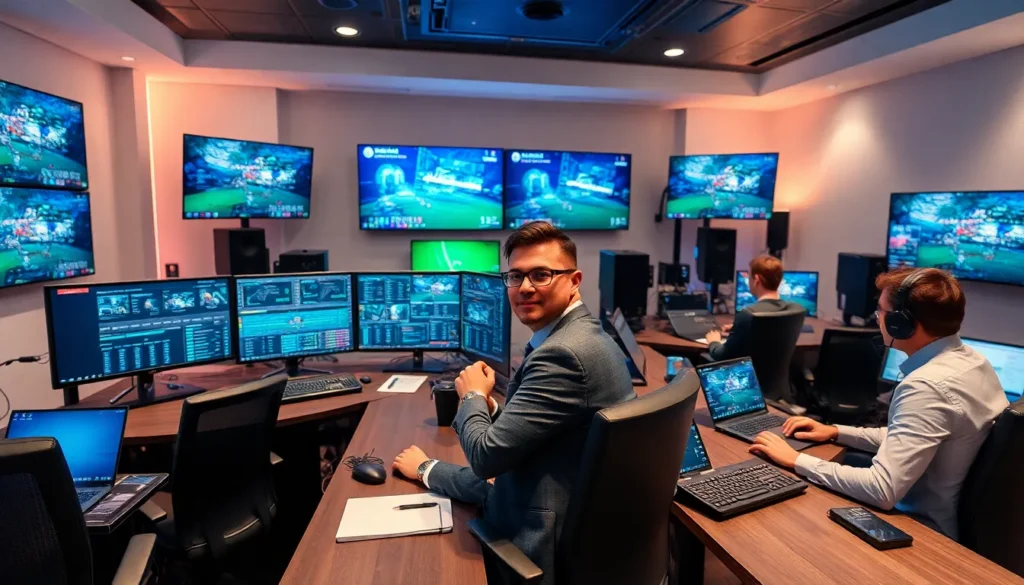
ToggleEsports coverage tools have become essential for anyone broadcasting competitive gaming events. These software solutions help streamers, analysts, and production teams deliver professional-quality content to viewers worldwide. From live streaming platforms to real-time statistics trackers, the right esports coverage tools can transform an amateur broadcast into a polished production.
The esports industry continues to grow rapidly, with millions of viewers tuning in to watch tournaments across games like League of Legends, Counter-Strike, and Valorant. This growth has created demand for better broadcasting solutions. Whether someone runs a small community tournament or produces content for major leagues, understanding available esports coverage tools is critical for success.
Key Takeaways
- Esports coverage tools range from free options like OBS Studio to enterprise-level solutions like vMix, allowing broadcasters to match their setup to budget and production goals.
- Real-time statistics tools such as Pandascore, Abios, and Grid Esports pull live data from game APIs to create informative overlays and enhance commentary.
- Professional overlay software like Singular.live and NodCG helps transform amateur streams into polished broadcasts with dynamic graphics and real-time updates.
- Communication platforms like Discord and intercom systems are essential esports coverage tools that keep production teams synchronized during live events.
- When selecting tools, prioritize compatibility and scalability to build a workflow that integrates smoothly and grows with your organization.
- Testing your complete tool stack before going live prevents technical issues and ensures a seamless broadcast experience.
Streaming and Broadcasting Platforms
Streaming platforms form the foundation of any esports broadcast. OBS Studio remains the most popular free option among content creators. It offers scene switching, audio mixing, and support for multiple video sources. Streamers can customize their setups without paying licensing fees.
Streamlabs builds on OBS with additional features like built-in alerts, chat widgets, and monetization tools. Many esports broadcasters prefer it for its user-friendly interface. The platform integrates directly with Twitch, YouTube, and Facebook Gaming.
For professional productions, vMix and Wirecast provide broadcast-grade capabilities. These esports coverage tools support NDI networking, instant replay, and multi-camera switching. Major tournament organizers often rely on these platforms for their reliability during high-stakes events.
XSplit Broadcaster offers another solid option with its intuitive design. It handles screen capture, webcam feeds, and game footage simultaneously. The software supports both streaming and local recording, which proves useful for post-event content creation.
Real-Time Statistics and Data Tracking Tools
Statistics tracking gives viewers deeper insights into competitive matches. Esports coverage tools in this category pull data directly from game APIs and display it in real time.
Pandascore and Abios provide comprehensive data feeds for multiple esports titles. These services deliver live match data, player statistics, and historical records. Broadcasters use this information to create informative overlays and commentary talking points.
Game-specific tools also exist for popular titles. HLTV.org tracks Counter-Strike statistics extensively. OP.GG and U.GG offer detailed League of Legends data. These platforms help analysts prepare for broadcasts and provide accurate information during live coverage.
Grid Esports specializes in official data partnerships with game publishers. Their esports coverage tools ensure accuracy and compliance with league regulations. Tournament organizers often require these official data sources for sanctioned events.
Tracking tools also help with post-match analysis. Coaches and analysts review performance data to identify trends and strategies. This information enriches broadcast discussions and helps viewers understand what separates top players from the rest.
Production and Overlay Software
Professional overlays distinguish amateur streams from polished broadcasts. Several esports coverage tools specialize in creating visual elements that enhance viewer experience.
Singular.live offers cloud-based graphics that update in real time. Broadcasters can change scores, player names, and sponsor logos without interrupting the stream. The platform supports HTML5 animations and integrates with most streaming software.
NodCG provides an open-source alternative for custom overlay development. Tech-savvy production teams build exactly what they need using web technologies. Many speedrunning events and grassroots tournaments use NodCG for its flexibility.
Snaz and StreamFX add text effects and visual enhancements to OBS setups. These esports coverage tools help smaller productions achieve professional-looking results on limited budgets.
For instant replay functionality, producers turn to solutions like LiveLink or dedicated replay systems. Showing key moments from multiple angles keeps viewers engaged during breaks in action. These replays have become standard in professional esports broadcasts.
Communication and Team Coordination Tools
Behind every smooth broadcast sits a coordinated production team. Communication tools keep everyone synchronized during live events.
Discord serves as the primary communication hub for many esports organizations. Production teams create dedicated servers with channels for different roles. Voice channels allow real-time coordination between directors, technical operators, and on-air talent.
Intercom systems like Unity Intercom and ClearCom support larger productions. These esports coverage tools provide reliable audio communication across multiple crew members. Professional broadcasts require this level of coordination to execute clean transitions and timing.
Project management platforms like Notion and Trello help teams plan broadcasts in advance. Production schedules, rundowns, and asset lists stay organized and accessible. This preparation reduces errors during live coverage.
Google Docs and similar collaborative tools allow multiple team members to edit scripts and notes simultaneously. Analysts can update talking points while casters access the latest information. This real-time collaboration improves broadcast quality significantly.
Choosing the Right Tools for Your Coverage Needs
Selecting appropriate esports coverage tools depends on several factors. Budget, team size, and production goals all influence the decision.
Small streamers and community tournaments often start with free options. OBS Studio, Discord, and basic overlay templates provide a solid foundation. These tools handle most needs without financial investment.
Mid-tier productions benefit from premium software subscriptions. Streamlabs Ultra, paid data feeds, and professional overlay services improve quality noticeably. The investment pays off through better viewer retention and sponsorship opportunities.
Major tournament organizers require enterprise-level esports coverage tools. Broadcast-grade software, official data partnerships, and dedicated production hardware become necessary. These setups cost significantly more but deliver television-quality results.
Compatibility matters when building a tool stack. Esports coverage tools should integrate smoothly with each other. Testing workflows before going live prevents technical issues during actual broadcasts.
Scalability also deserves consideration. Tools that grow with an organization save money and training time long-term. Starting with flexible platforms allows production teams to expand capabilities as needed.