Table of Contents
ToggleLearning how to DIY projects saves money and builds valuable skills. Anyone can start with the right tools, a solid plan, and some patience. This guide covers everything beginners need to know, from essential equipment to easy starter projects that deliver quick wins.
DIY work offers more than cost savings. It provides the satisfaction of creating something with your own hands. Whether someone wants to build a bookshelf, refinish furniture, or tackle home repairs, the fundamentals stay the same. Start small, learn from mistakes, and gradually take on bigger challenges.
This article breaks down the basics of how to DIY projects successfully. It covers must-have tools, project planning strategies, beginner-friendly ideas, and common pitfalls to avoid. By the end, readers will have a clear roadmap for their first DIY adventure.
Key Takeaways
- Learning how to DIY projects saves money, builds valuable skills, and provides the satisfaction of creating something with your own hands.
- Start with essential tools like a tape measure, cordless drill, handsaw, and safety equipment before investing in specialized gear.
- Good planning—including defining scope, researching techniques, and creating materials lists—separates successful DIY projects from frustrating failures.
- Begin with simple projects like floating shelves, planter boxes, or painting a room to build confidence before tackling bigger challenges.
- Always measure twice, wear safety glasses, and invest in quality materials to avoid common beginner mistakes.
- Don’t hesitate to ask for help—some tasks genuinely require two people for safety and efficiency.
Essential Tools Every DIYer Needs
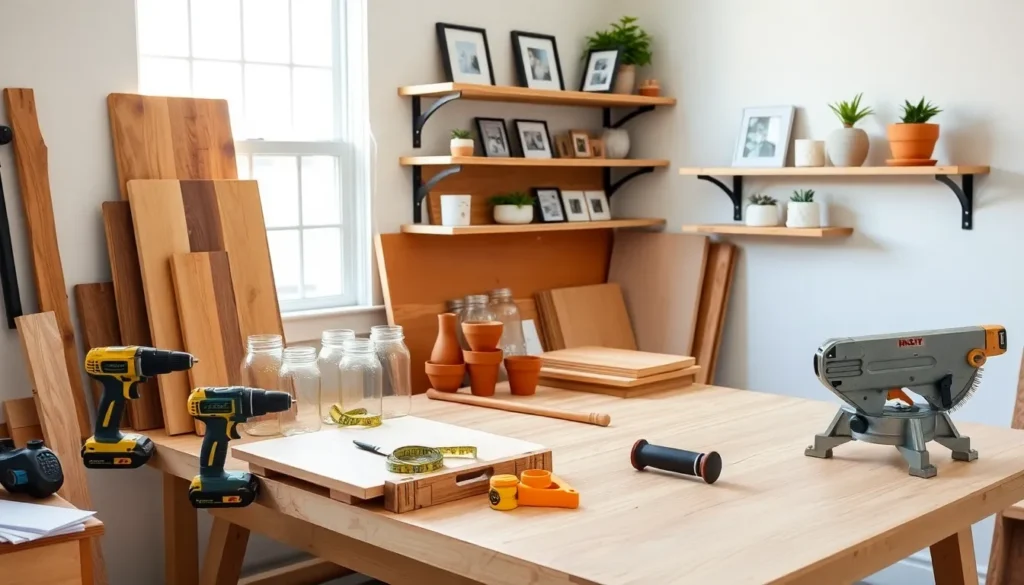
Every DIY project starts with the right tools. Building a basic toolkit doesn’t require spending hundreds of dollars upfront. Start with versatile items that handle multiple tasks.
Measuring and Marking Tools
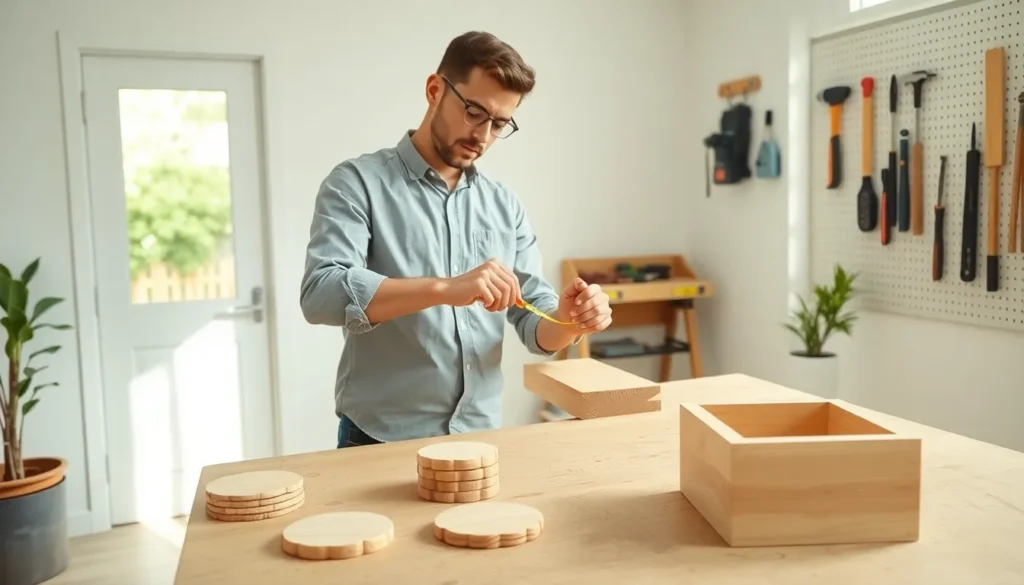
A tape measure ranks as the most important tool in any toolkit. Choose one that extends at least 25 feet with a locking mechanism. A carpenter’s pencil and speed square help mark accurate cuts every time.
Cutting Tools
A handsaw handles basic wood cuts for beginners learning how to DIY projects. A utility knife with replaceable blades works for drywall, cardboard, and packaging. As skills grow, a circular saw or jigsaw becomes a worthwhile investment.
Fastening Tools
A cordless drill serves as the workhorse of DIY work. Look for one with variable speed settings and a built-in level. Keep an assortment of screwdriver bits and drill bits on hand. A basic hammer (16 oz is ideal) covers nail-driving tasks.
Safety Equipment
Safety glasses protect eyes from debris. Work gloves prevent cuts and splinters. A dust mask keeps lungs clear during sanding or cutting. These items cost little but prevent serious injuries.
Storage Solutions
A sturdy toolbox or tool bag keeps everything organized. Beginners often waste time searching for misplaced tools. Dedicated storage solves this problem and protects the investment.
Buy quality tools when possible. Cheap tools break faster and produce worse results. But, mid-range options from hardware stores work fine for most DIY projects.
Planning Your First DIY Project
Good planning separates successful DIY projects from frustrating failures. Taking time upfront prevents costly mistakes and wasted materials.
Define the Scope
Start by writing down exactly what the project involves. A vague goal like “fix the bathroom” leads to scope creep and overwhelm. Instead, specify: “Install a new towel bar and replace the faucet handles.” Clear boundaries keep projects manageable.
Research and Learn
Watch tutorial videos and read instructions before buying materials. Understanding each step reveals potential challenges early. Many people learning how to DIY projects skip this step and regret it later.
Take notes on techniques, tools needed, and time estimates. Print or bookmark helpful resources for reference during the actual work.
Create a Materials List
List every item required, lumber, screws, paint, sandpaper, and anything else. Check what’s already available at home. Then price out remaining items at local hardware stores or online retailers.
Add 10-15% extra material for mistakes and waste. Running out mid-project delays progress and kills momentum.
Set a Realistic Timeline
Beginners consistently underestimate how long DIY projects take. Double the initial time estimate, especially for first attempts. Factor in drying times for paint, glue, or finishes.
Schedule work sessions in advance. Weekend mornings often provide the best focus and energy. Avoid starting projects right before guests arrive or holidays approach.
Prepare the Workspace
Clear the work area completely. Lay down drop cloths to protect floors. Gather all tools and materials before starting. A prepared workspace reduces interruptions and keeps focus on the task.
Easy DIY Projects to Build Your Skills
Starting with simple projects builds confidence and teaches fundamental skills. These beginner-friendly ideas introduce key techniques without overwhelming complexity.
Floating Shelves
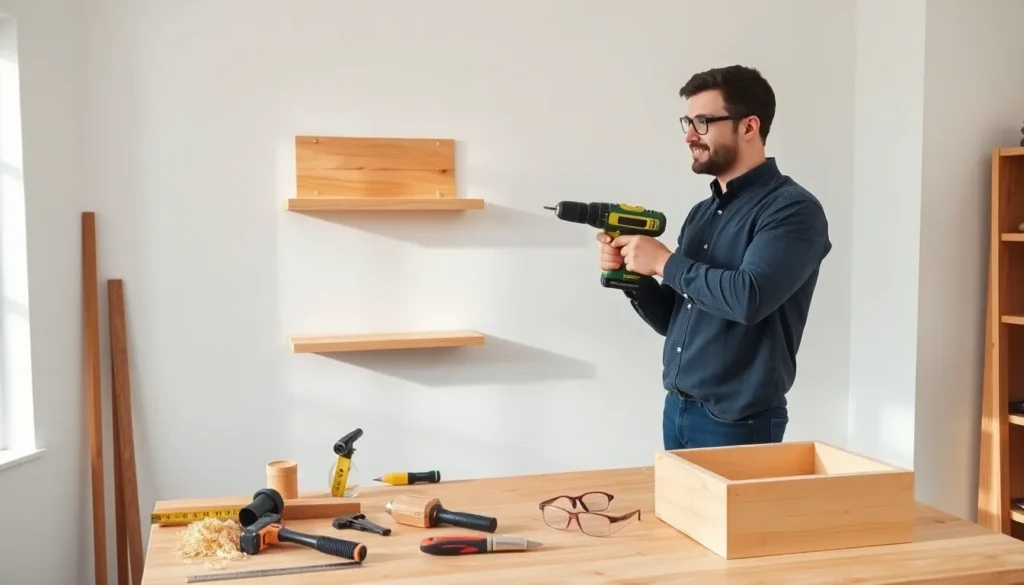
Floating shelves teach measuring, leveling, and wall anchoring. They require minimal materials and provide immediate usefulness. Most beginners complete a single shelf in under two hours.
This project demonstrates how to DIY projects that improve a home’s appearance quickly. The skills transfer directly to hanging artwork, mirrors, and cabinets.
Simple Wooden Planter Box
Building a planter box introduces wood cutting and assembly basics. Use pre-cut lumber from hardware stores to simplify the process. The project requires only a saw, drill, screws, and wood glue.
Mistakes on a planter box don’t matter much, plants hide imperfections. This low-stakes environment helps beginners practice without pressure.
Painting a Room
Painting seems straightforward but involves multiple skills: surface prep, taping, cutting in edges, and even roller technique. A single room provides enough practice without becoming exhausting.
Proper preparation takes more time than actual painting. Learning this lesson early improves all future finishing work.
Assembling Flat-Pack Furniture
Flat-pack assembly teaches following instructions precisely. It builds familiarity with common fasteners and hardware. The experience shows how pieces fit together, which helps with future custom builds.
Replacing Cabinet Hardware
Swapping old cabinet pulls and hinges refreshes kitchens and bathrooms affordably. The project requires only basic drilling and screwdriving. It delivers visible results that boost motivation for bigger tasks.
Each completed project proves that DIY projects are achievable. Success breeds confidence, which encourages tackling more ambitious work.
Common DIY Mistakes and How to Avoid Them
Beginners make predictable errors. Knowing these pitfalls in advance prevents frustration and wasted resources.
Skipping the Measurement Check
“Measure twice, cut once” exists for good reason. Rushing through measurements causes boards that don’t fit and holes drilled in wrong spots. Always verify measurements before making permanent changes.
Use the same tape measure throughout a project. Different measuring tools sometimes vary slightly, causing alignment issues.
Ignoring Safety Precautions
New DIYers often feel invincible until something goes wrong. Eye injuries from flying debris happen fast. Always wear safety glasses, even for quick tasks. The few seconds spent putting them on beats an emergency room visit.
Buying Cheap Materials
Low-quality lumber warps. Discount paint requires extra coats. Bargain hardware strips easily. Saving money on materials often costs more in the long run through failed results or repeat purchases.
Invest in quality materials for visible elements. Save money on hidden structural components where appearance matters less.
Starting Too Big
Ambitious first projects frequently end abandoned in garages. People learning how to DIY projects sometimes overestimate their abilities. Start smaller than seems necessary. Build skills progressively.
A completed simple project beats an unfinished complex one every time.
Neglecting Cleanup
Leaving messes between work sessions creates hazards and slows future progress. Clean as you go. Put tools back after each use. Sweep sawdust regularly.
Organized workspaces also improve mental clarity. Chaos breeds more chaos.
Not Asking for Help
Some tasks genuinely require two people. Heavy lifting, holding pieces during assembly, and safety monitoring all benefit from assistance. Pride shouldn’t prevent asking a friend or family member to help.