
Table of Contents
ToggleMovie breakdowns transform casual viewing into active learning. They reveal why certain scenes work, how directors create emotion, and what makes a story resonate with audiences. Whether someone wants to write screenplays, direct films, or simply appreciate cinema on a deeper level, understanding how to analyze movies is essential.
This guide covers everything needed to conduct thorough movie breakdowns. It explains what film analysis involves, identifies the key elements worth examining, and provides practical tools for getting started. By the end, readers will have a clear framework for dissecting any film they watch.
Key Takeaways
- Movie breakdowns transform passive watching into active learning by examining how filmmakers use specific techniques to tell stories and evoke emotions.
- Effective film analysis covers multiple elements including narrative structure, cinematography, editing, sound design, and performance direction.
- Use streaming platforms, screenplay databases, and YouTube analysis channels like Nerdwriter1 and Lessons from the Screenplay to enhance your movie breakdowns.
- Watch films naturally first, then focus on one element per rewatch to build depth without feeling overwhelmed.
- Always ask “how” and “why” questions to connect filmmaking techniques to their emotional impact on audiences.
- Sharing your movie breakdowns through writing or discussion sharpens analytical skills and reveals new perspectives.
What Is a Movie Breakdown
A movie breakdown is a systematic analysis of a film’s components. It goes beyond surface-level reactions like “I liked it” or “the acting was good.” Instead, it examines how filmmakers use specific techniques to tell stories and evoke responses.
Movie breakdowns can focus on different aspects depending on the analyst’s goals. A screenwriter might study dialogue and plot structure. A cinematographer might examine lighting and camera movement. A casual enthusiast might look at all elements to understand why a film succeeds or fails.
The practice has roots in formal film criticism but has evolved significantly. Today, movie breakdowns appear on YouTube channels, podcasts, blogs, and social media. Creators like Every Frame a Painting and Lessons from the Screenplay have built massive followings by making film analysis accessible and entertaining.
A good movie breakdown answers specific questions: What choices did the filmmakers make? Why did they make those choices? How do those choices affect the audience? This framework applies whether analyzing a blockbuster like Oppenheimer or an indie film with a tiny budget.
Key Elements to Analyze in Any Film
Effective movie breakdowns examine multiple filmmaking elements. Each component contributes to the overall experience, and understanding them separately helps reveal how they work together.
Narrative Structure
Story structure forms the backbone of most films. Analysts look at the three-act structure, inciting incidents, midpoints, and climaxes. They identify where the story hits key beats and whether those beats land effectively. Films like Parasite reward structural analysis because their plots contain deliberate surprises that reshape everything viewers thought they understood.
Cinematography
Camera work communicates meaning beyond dialogue. Movie breakdowns examine shot composition, camera angles, movement, and lens choices. A low angle can make a character appear powerful. A handheld camera creates urgency or unease. Films by directors like Roger Deakins showcase how lighting and framing carry emotional weight.
Editing and Pacing
Editing determines rhythm and flow. Analysts study cut timing, transition choices, and how scenes connect. Quick cuts build tension. Long takes create immersion. The shower scene in Psycho uses rapid editing to imply violence without showing it directly, a technique that still influences horror films today.
Sound Design and Music
Audio elements shape emotional responses in powerful ways. Movie breakdowns examine diegetic sounds (sounds characters hear) versus non-diegetic sounds (background music). They analyze how scores underscore emotion and how silence can be more impactful than any soundtrack. A Quiet Place demonstrates how sound design can become a central storytelling device.
Performance and Direction
Acting choices matter, but so does how directors shape those performances. Analysts examine blocking, gesture, and expression. They consider how much freedom actors had versus how precisely directors controlled their movements. This element reveals the collaboration between performers and filmmakers.
Tools and Resources for Film Analysis
Conducting movie breakdowns becomes easier with the right resources. Several tools help analysts study films more effectively.
Streaming Platforms with Pause and Rewind
Obvious but essential, analysts need the ability to replay scenes multiple times. Services like Netflix, Amazon Prime, and Criterion Channel allow frame-by-frame examination. Criterion Channel particularly excels for classic and international films with accompanying commentary tracks.
Screenplay Databases
Reading scripts alongside watching films reveals what changed during production. Sites like Script Slug, IMSDb, and The Script Lab offer free access to thousands of screenplays. Comparing the written page to the finished product shows how visual storytelling differs from written storytelling.
Film Analysis YouTube Channels
Existing movie breakdowns teach by example. Channels worth following include:
- Nerdwriter1 for thematic analysis
- Corridor Crew for VFX breakdowns
- CineFix for comparative film studies
- Thomas Flight for editing analysis
These creators model different approaches to film analysis and often explain their methods.
Note-Taking Systems
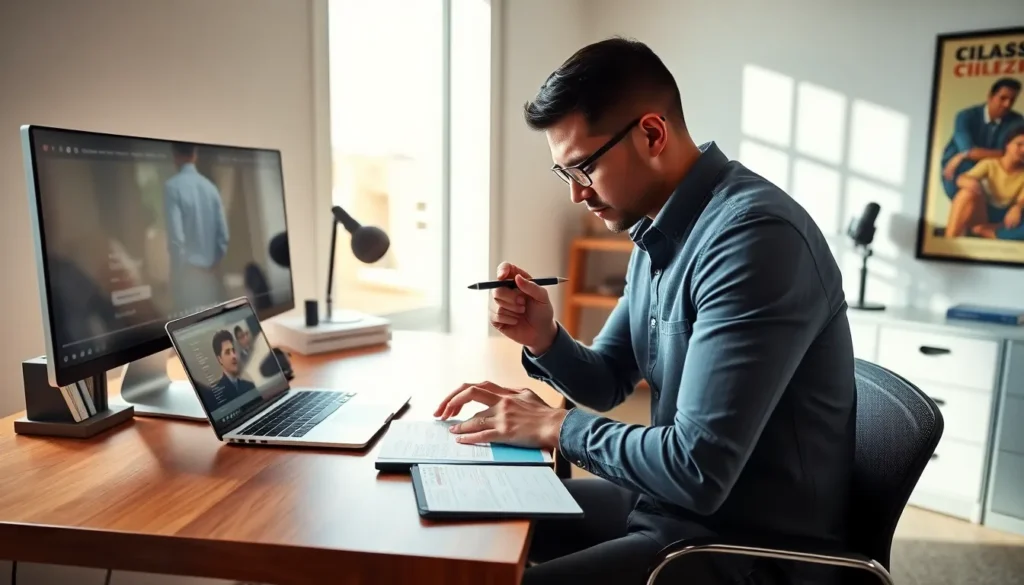
Serious analysts benefit from organized notes. Apps like Notion or simple spreadsheets help track observations across multiple viewings. Categories might include timestamp, element analyzed, technique used, and effect achieved.
How to Create Your Own Movie Breakdown
Creating movie breakdowns follows a repeatable process. Here’s a practical approach anyone can use.
Watch First Without Analyzing
The initial viewing should be natural. Experience the film as an audience member. Notice emotional reactions without overthinking. Jot down moments that stood out positively or negatively.
Pick a Focus for Subsequent Viewings
Movie breakdowns work best with specific angles. Choose one element per rewatch: structure on the second viewing, cinematography on the third, sound design on the fourth. This prevents overwhelming amounts of notes and ensures depth over breadth.
Ask “How” and “Why” Questions
Descriptive observations become analysis through questioning. Don’t just note that a scene uses red lighting, ask why the director chose red. Consider what alternatives existed and why they were rejected. This habit transforms passive observation into active movie breakdowns.
Connect Techniques to Effects
The goal isn’t cataloging techniques, it’s understanding their impact. Every observation should connect to audience experience. How does this camera angle make viewers feel? What does this editing choice communicate about time passing?
Share Findings
Movie breakdowns improve through sharing. Writing up analysis forces clarity. Feedback from others reveals blind spots. Even informal discussions with friends sharpen analytical skills over time.