
Table of Contents
ToggleMovie breakdowns for beginners can transform the way anyone watches films. Instead of passively consuming entertainment, viewers learn to see the craft behind every scene. A movie breakdown examines how directors, writers, and cinematographers work together to create meaning. This skill helps aspiring filmmakers, film students, and casual viewers appreciate cinema on a deeper level.
This guide covers everything beginners need to start analyzing films with confidence. From understanding story structure to spotting visual techniques, these fundamentals build a strong foundation. By the end, readers will have practical steps they can apply to their next movie night.
Key Takeaways
- Movie breakdowns for beginners teach viewers to analyze films beyond the plot by examining creative choices in direction, cinematography, and sound design.
- Start your first movie breakdown by watching a familiar film and focusing on one element at a time, such as story structure or lighting techniques.
- Effective film analysis requires specific observations—saying “the low-angle shot makes the hero appear powerful” beats vague statements like “the cinematography was good.”
- Don’t overlook sound design; music, ambient noise, and silence shape the viewing experience just as much as visuals.
- Research director interviews and behind-the-scenes content after watching to add context and depth to your movie breakdown.
- Consistent practice sharpens your analytical eye, making it easier to spot patterns and techniques in every film you watch.
What Is a Movie Breakdown?
A movie breakdown is a detailed analysis of a film’s components. It goes beyond summarizing the plot. Instead, it examines how a movie tells its story and why certain creative choices were made.
Think of it like taking apart a clock to see how the gears work. A movie breakdown looks at each piece, the script, the camera work, the editing, the sound design, and asks what purpose it serves. This process reveals the intention behind scenes that might otherwise seem random.
For beginners, movie breakdowns offer several benefits. They sharpen critical thinking skills. They provide vocabulary to discuss films intelligently. And they make watching movies more rewarding because viewers notice details they previously missed.
Professional film critics and content creators use movie breakdowns regularly. YouTube channels dedicated to film analysis have millions of subscribers. Platforms like ScreenCrush, Lessons from the Screenplay, and Every Frame a Painting built their audiences by breaking down popular films. This proves that audiences want to understand movies at a deeper level, and beginners can develop this skill too.
Essential Elements to Analyze in Any Film
Every movie breakdown examines specific elements. Beginners should focus on two core areas first: story structure and visual style. These form the backbone of film analysis.
Story Structure and Plot
Story structure refers to how a film organizes its events. Most Hollywood movies follow a three-act structure. Act one introduces the characters and conflict. Act two escalates the stakes. Act three resolves everything.
Beginners should track key plot points during their movie breakdown. The inciting incident kicks off the main conflict, usually within the first 15 minutes. The midpoint raises the stakes or shifts the story’s direction. The climax delivers the most intense moment. Understanding these beats helps viewers see how screenwriters build tension and payoff.
Character arcs matter too. Strong movies show characters who change. A good movie breakdown asks: What does this character want? What stands in their way? How are they different at the end?
Cinematography and Visual Style
Cinematography covers everything the camera captures. This includes shot composition, camera movement, lighting, and color choices.
Shot types communicate information without dialogue. Wide shots establish location and context. Close-ups reveal emotion. A movie breakdown notes when directors switch between these and why.
Lighting sets mood instantly. High-key lighting (bright and even) suggests comedy or safety. Low-key lighting (heavy shadows) creates tension or mystery. Color palettes also carry meaning. The blue-gray tones of a thriller feel different from the warm yellows of a coming-of-age film.
Beginners don’t need expensive equipment to study these elements. They just need to pay attention and take notes.
Simple Steps to Start Your First Movie Breakdown
Starting a movie breakdown doesn’t require film school training. These steps help beginners build a consistent practice.
Step 1: Choose a film you’ve already seen. Familiarity lets beginners focus on technique rather than plot. Knowing what happens next frees attention for the “how” instead of the “what.”
Step 2: Watch with purpose. The first viewing should focus on one element. Maybe that’s tracking the protagonist’s emotional journey. Or noticing how lighting changes between scenes. Trying to analyze everything at once overwhelms beginners.
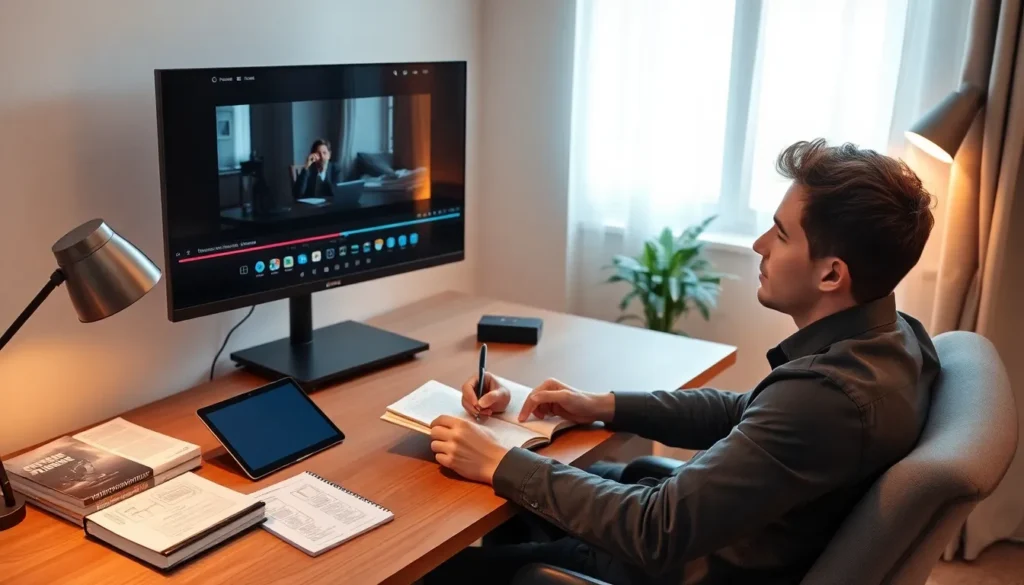
Step 3: Take notes during the viewing. Timestamps help. Write down moments that stand out, an interesting camera angle, a surprising edit, dialogue that reveals character. These notes become the foundation of the movie breakdown.
Step 4: Research after watching. Look up interviews with the director or behind-the-scenes footage. Many filmmakers explain their choices openly. This context enriches any movie breakdown.
Step 5: Write or record your analysis. Putting thoughts into words forces clarity. Whether it’s a journal entry, a blog post, or a video essay, the act of explaining cements understanding.
Beginners who follow these steps consistently will improve quickly. Movie breakdowns get easier with practice because the eye becomes trained to notice patterns.
Common Mistakes Beginners Should Avoid
New analysts often fall into predictable traps. Avoiding these mistakes makes movie breakdowns more effective.
Mistake 1: Confusing summary with analysis. Retelling the plot isn’t a breakdown. Analysis explains why something works, not just what happens. “The hero defeats the villain” describes plot. “The director uses a low-angle shot during the fight to make the hero appear powerful” analyzes technique.
Mistake 2: Overlooking sound design. Beginners focus heavily on visuals and forget audio. Music, ambient sound, and silence all shape the viewing experience. A movie breakdown should address how sound supports or contrasts with the images.
Mistake 3: Ignoring context. Films exist within cultural and historical moments. Understanding when a movie was made, and what influenced its creators, adds depth to analysis. A 1970s thriller reflects different anxieties than a 2020s thriller.
Mistake 4: Being too vague. General statements weaken any movie breakdown. “The cinematography was good” says nothing useful. “The long tracking shot through the party created claustrophobia and mimicked the protagonist’s anxiety” offers real insight.
Mistake 5: Forcing interpretations. Not every detail carries deep meaning. Sometimes a red door is just a red door. Good movie breakdowns identify meaningful choices without overreaching.